Song Meaning
The lyrics paint a picture of an almost instantaneous, otherworldly connection. The narrator encounters an "angel" who guides them away from a mundane, perhaps even melancholic, Saturday ending. This departure feels preordained, a shared destiny unfolding with effortless grace. The repeated phrase "Just as though we planned" underscores this sense of perfect alignment, suggesting a bond that transcends ordinary human interaction.
The core tension lies between the narrator's past isolation and the sudden, transformative escape. Before this encounter, the narrator describes themselves as a "creature / In a circumstance," someone who "never knew romance" and had no children. This hints at a life lived without deep connection or personal agency. The "special times and people" mentioned in verse two, while not causing pain, were perhaps insufficient or fleeting, leading to a lack of follow-through ("But then I didn't call"). The angel's arrival offers a radical departure from this pattern.
The most striking element is the effortless, almost magical "flying away." It’s not a physical journey but an emotional and spiritual ascension. The hand-holding is the catalyst, a simple gesture that initiates this profound shift. The question "Can they understand?" posed in the outro suggests that this experience is beyond the comprehension of those left behind, further emphasizing its unique and transcendent nature. The repetition of "We flew away" hammers home the finality and joy of this escape.
This lyrical narrative is effective because it taps into a universal yearning for escape and profound connection. The simplicity of the language and the dreamlike imagery create an accessible fantasy of being swept away by something pure and destined. The contrast between the narrator's previous state of being and the immediate bliss of "flying away" makes the transformation feel incredibly potent and desirable.
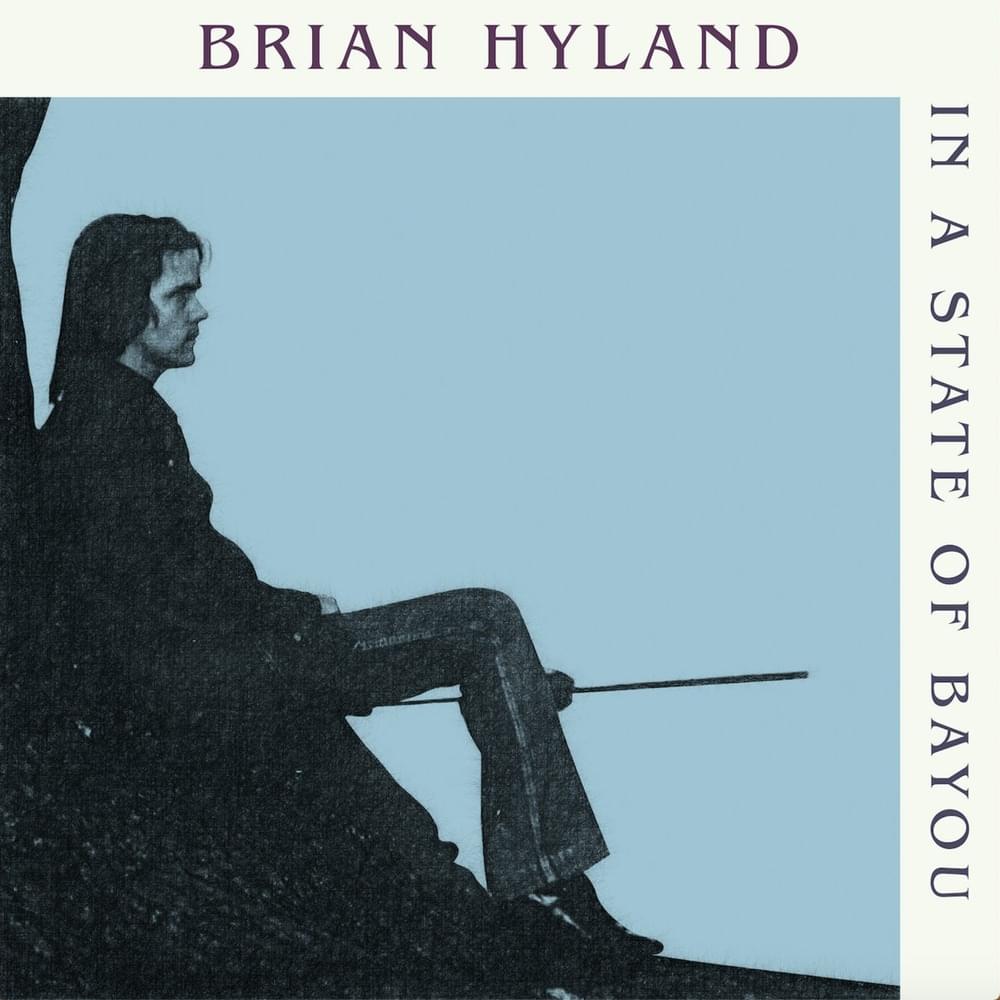
 View Artist