Song Meaning
This tune paints a simple, almost fairytale picture of love and commitment. The narrator lays out a clear vision: if they were in charge, they'd need a queen. It’s a straightforward declaration of desire, framed by the whimsical repetition of "dilly-dilly." The core of the song hinges on a mutual feeling, a heart that "feels a dilly-dilly way," suggesting an emotional resonance that leads to a wedding.
The central tension, if you can call it that, is the conditional nature of this royal arrangement. The narrator's kingship and the envisioned marriage are contingent on the beloved's reciprocal feelings and willingness to say "yes" in a "pretty little church." This isn't just about wanting a partner; it's about the specific, almost ceremonial act of union that solidifies the narrator's imagined reign and their partner's role.
The most striking element is the pervasive, almost hypnotic use of "dilly-dilly." It transforms the potentially grand pronouncements of kingship and queenship into something childlike and sweet. This repetition, coupled with the recurring imagery of "lavender blue" and "lavender green," creates a dreamy, soft-focus effect. It suggests that the narrator's ideal future isn't about power, but about a gentle, idealized partnership.
Ultimately, the lyrics resonate because they tap into a universal yearning for a clear, uncomplicated path to love and belonging. The narrator’s self-assurance, stating "I told myself, dilly-dilly, I told me so," implies a conviction that this vision is not only possible but destined. The song works by creating a charmingly naive fantasy where love, expressed through a "yes" and a "dilly-dilly dress," is the ultimate prize, making the narrator king and their beloved queen.
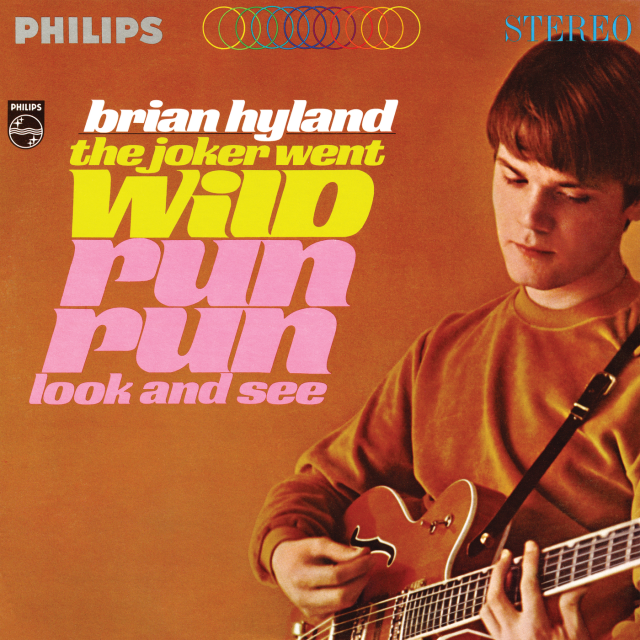
 View Artist