Song Meaning
Standing by the Platte River, the narrator feels a chilling sense of dread, connecting personal unease to historical tragedies. The immediate image is one of cold and isolation, amplified by the invocation of General Custer's "last stand." This isn't just about a historical event; it's a visceral feeling of being overwhelmed and losing ground. The narrator's bowed head and the repeated question, "what has he done?" reveal a profound sense of helplessness and a feeling that personal liberty is under siege.
The lyrical focus then shifts to the assassination of Abraham Lincoln, another moment of national trauma. The narrator recalls Lincoln's achievements, described as "all the mountains that he made," suggesting a legacy of monumental effort and progress. The subsequent lament, "what have they done?" and the echoing phrase "got my freedom on the run" draw a direct line between past acts of violence and a present-day crisis of freedom. This juxtaposition of historical figures and their violent ends underscores a pervasive sense of loss and vulnerability.
The recurring lines about the river – "wide and it's wicked, / But it ends where there's peace for one and all" – offer a glimmer of hope amidst the despair. This imagery suggests that despite the treacherous present, there is an ultimate destination of resolution and universal peace. However, the narrator's introspection turns inward, acknowledging "the measure of my weakness" and a tendency to judge others without understanding. This self-awareness shifts the blame from external forces to a collective "we," as in "what have we done? / We've got our freedom on the run." The craft here is in the gradual broadening of responsibility, moving from specific historical figures to a shared culpability for the endangered state of freedom.
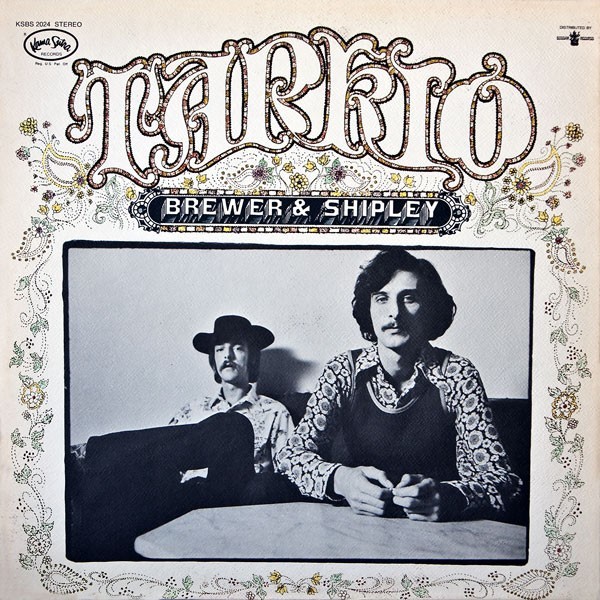
 View Artist