Song Meaning
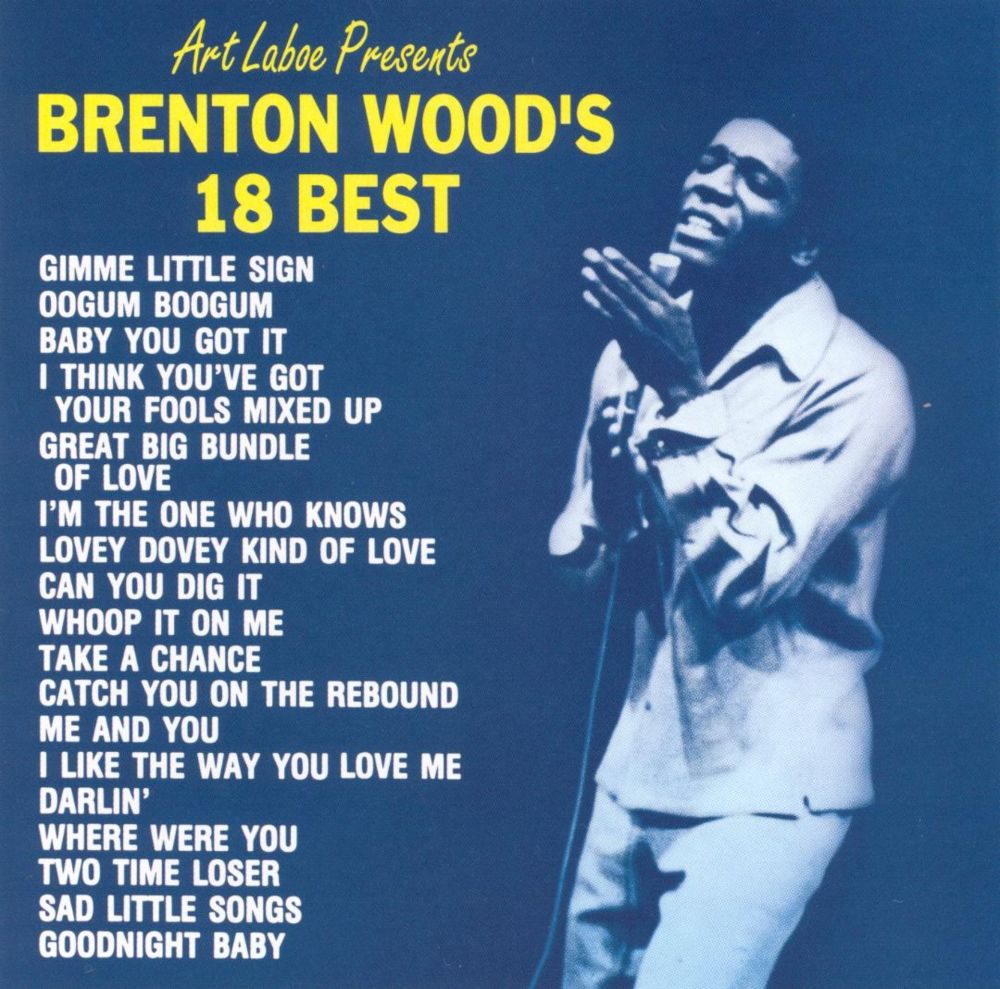
Brenton Wood's plea in "Take A Chance" isn't just a simple love song; it's a study in vulnerability and the quiet desperation that shadows the pursuit of intimacy. The repetition of "Take a chance on me" becomes a mantra, a near-begging that hints at a deeper narrative of past hurts and guarded hearts. Wood isn't just offering love; he's offering himself as a potential remedy to past trauma, a safe harbor in a sea of romantic disappointments. This resonates with anyone who's ever felt the sting of rejection and the subsequent fear of opening themselves up again. The almost childlike simplicity of the lyrics belies a mature understanding of the emotional baggage we carry into new relationships.
The song's emotional core hinges on the line, "I know you have been hurt so many times before." This acknowledgment isn't just empathetic; it's strategic. Wood is implicitly acknowledging the listener's (or the subject's) defenses and positioning himself as different, trustworthy. It's a subtle but powerful move, appealing to the inherent human desire for healing and connection. He promises a love unlike the others, a love that understands and respects past wounds. The promise, "I couldn't love you more" is a bold statement, especially considering the nascent stage of the relationship he seems to be describing. Is it genuine devotion, or a carefully constructed promise designed to disarm?
Ultimately, "Take A Chance" explores the fundamental gamble inherent in all relationships. Love requires risk, a leap of faith into the unknown. Wood's persistent urging highlights the anxiety that accompanies this vulnerability. He's not just asking for a chance; he's implicitly acknowledging the possibility of failure, of further heartbreak. Yet, the repetition and unwavering tone suggest a genuine belief in the transformative power of love. The song’s meaning isn’t just about romantic pursuit; it’s about the courage to overcome past hurts and embrace the possibility of a brighter, more fulfilling future, even when the odds seem stacked against you. It’s a testament to the enduring human hope for connection, even in the face of repeated disappointment.
 View Artist