Song Meaning
The lyrics paint a stark picture of profound isolation and existential dread. The opening lines immediately establish a sense of helplessness, with the narrator unable to "stop the hurt" or "stop the bleeding," leading to a feeling of utter invisibility and non-existence. This isn't just sadness; it's a deep-seated belief that they "don't exist at all." The repetition of "Can't stop" emphasizes a lack of control over internal turmoil.
The central tension arises from the fleeting connection offered by another person's call. The narrator questions if this other person shares the same sense of being "trapped in time" and "living a lie." This suggests a shared delusion or a mutual performance of normalcy that masks deeper, unacknowledged pain. The contrast between the narrator's internal state and the potential shared reality with another is the core of the song's emotional conflict.
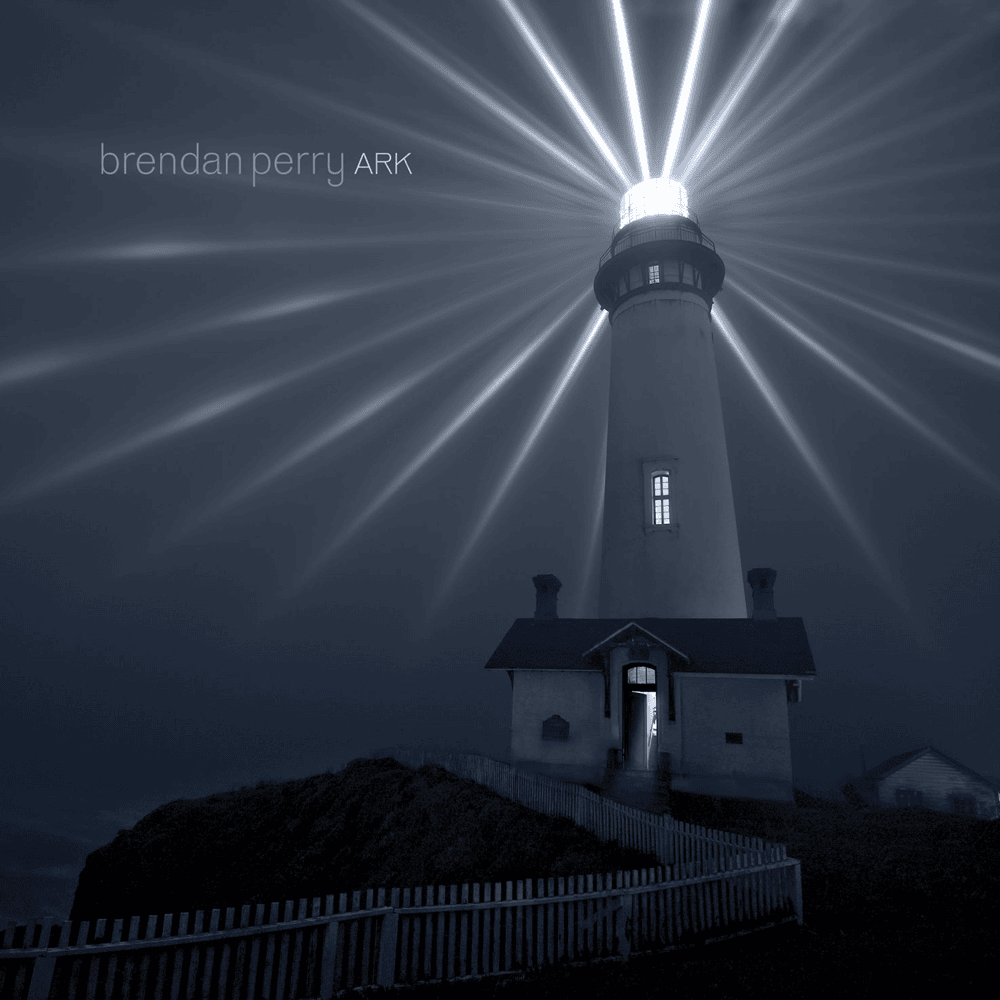
A fascinating shift occurs with the introduction of "indivisible" and "transcendental." The narrator claims to live in a "tower of my own creation," suggesting a self-imposed isolation built from memories and thoughts. This self-constructed reality, while seemingly solid, is also presented as a source of their detachment. The juxtaposition of "invisible" and "indivisible" highlights a complex internal state where the self is both unseen by others and inextricably bound to its own mental landscape.
The final stanza grounds the abstract despair in the passage of time, comparing life to seasons. The "autumn of life" arriving with "winter thorns" is a potent image of approaching finality and hardship. The lyrics effectively convey a feeling of being stuck, not just in a moment, but in a life that feels increasingly bleak and inescapable, a stark testament to the weight of internal suffering.
 View Artist