Song Meaning
Brendan Benson's "Life In The D" isn't just a song; it's a darkly humorous, almost Beckett-esque meditation on existence, filtered through the lens of Detroit. The "D" isn't simply a geographic marker; it's a state of mind, a symbol for a life perceived as both absurd and inescapable. He paints a portrait of a world tinged with the bizarre, where tragedy and comedy intertwine, and where explanations—scientific, religious, or otherwise—ultimately fall short. The opening lines establish this mood, framing life as a "tragicomedy," a "poetic verse" steeped in mystery and perhaps even misfortune ("a dead man's curse").
Benson's lyrics are rife with imagery of hidden truths and elusive answers. The references to "Egyptian tombs," "doctored photo / Of a U.F.O," and "life microscopic size" all suggest a reality that is obscured, misinterpreted, or simply too small to be grasped. The line about hell and the Devil as a scientist hints at a cynical view of both faith and reason; perhaps the quest for knowledge is just another form of damnation. This sense of futility extends to the notion of an afterlife, dismissed as a waste of breath compared to the immediate, tangible (though perplexing) reality of "Life In The D."
Ultimately, "Life In The D" seems to propose that our understanding of reality is inherently limited. The song suggests that life is a "hologram," a "cryptogram," a "lie on the Polygraph test." Each of these metaphors points to the idea that what we perceive as real is merely a projection, a code, or a deception. The final assertion that it's "detectable" offers a glimmer of hope, a suggestion that despite the illusion, truth might be within reach. But the overwhelming feeling is one of existential ambiguity, a recognition that life, particularly "Life In The D," is a puzzle without a clear solution.
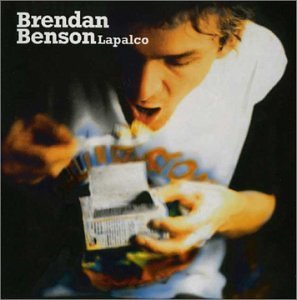
 View Artist