Song Meaning
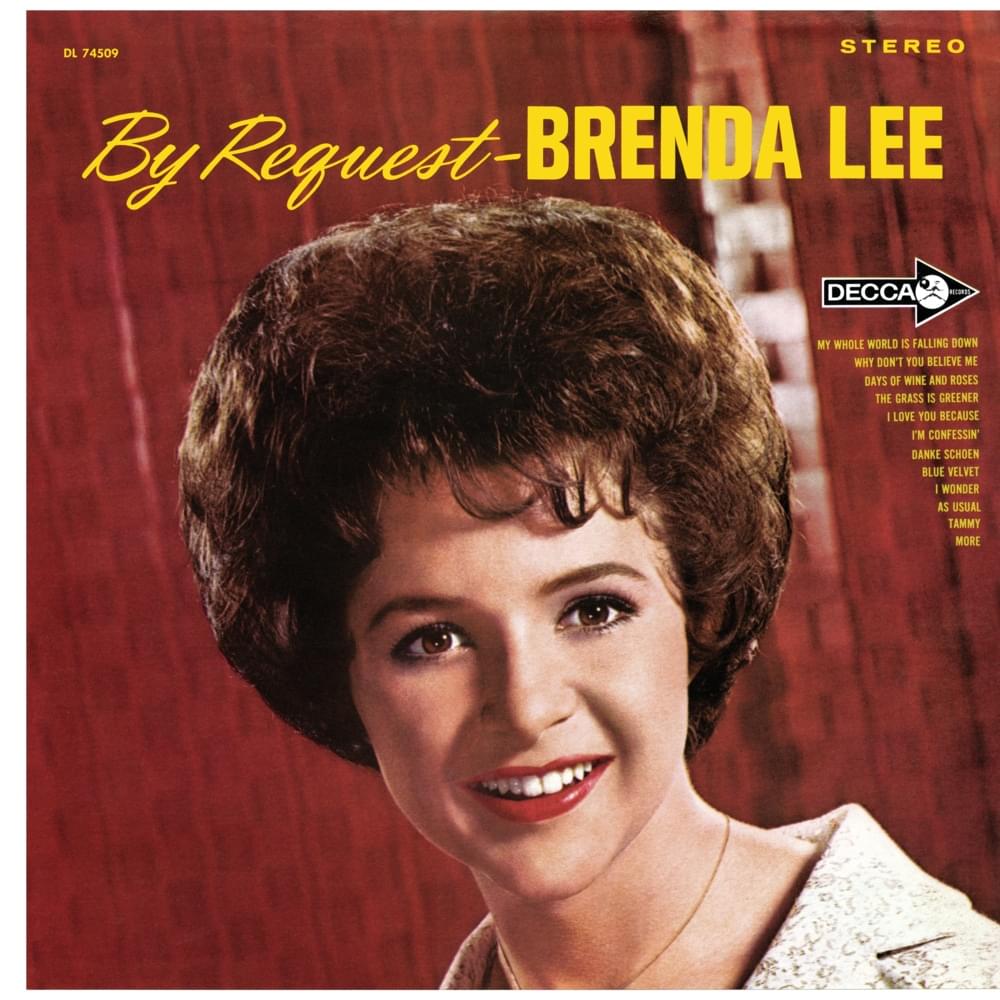
Brenda Lee's "The Grass Is Greener" isn't just a lament; it's a brutal self-assessment steeped in regret. The familiar idiom, of course, serves as the central metaphor: the protagonist abandons a good thing ("I had the world when you were mine") chasing the illusion of something better, only to discover the devastating truth – that happiness wasn't elsewhere, but rather, *else whom*. The sting isn't simply the loss of her former lover; it's the realization that her own flawed judgment led to this desolation. The lyrics drip with the pain of watching someone else occupy the space she foolishly vacated.
The core of the song meaning rests on the psychological weight of her miscalculation. She admits, without reservation, her error: "I thought the grass was greener there / Where I wandered one day." There's no attempt to shift blame or rationalize her actions. This raw honesty elevates the song beyond a simple tale of heartbreak, transforming it into a study of accountability. The repetition of "Now another, now another, holds your hand" emphasizes the permanence of her loss, a constant, agonizing reminder of what she forfeited.
Ultimately, "The Grass Is Greener" transcends the personal. It’s a cautionary tale about the seductive power of 'what if' and the often-harsh consequences of mistaking novelty for genuine substance. The final lines, "And the grass is really greener there / For that's just where you are," deliver the crushing blow: the 'greener grass' wasn't a place or a situation, but the genuine connection she carelessly threw away. The song's enduring power lies in its unflinching portrayal of regret, a feeling that resonates long after the final note fades.
 View Artist