Song Meaning
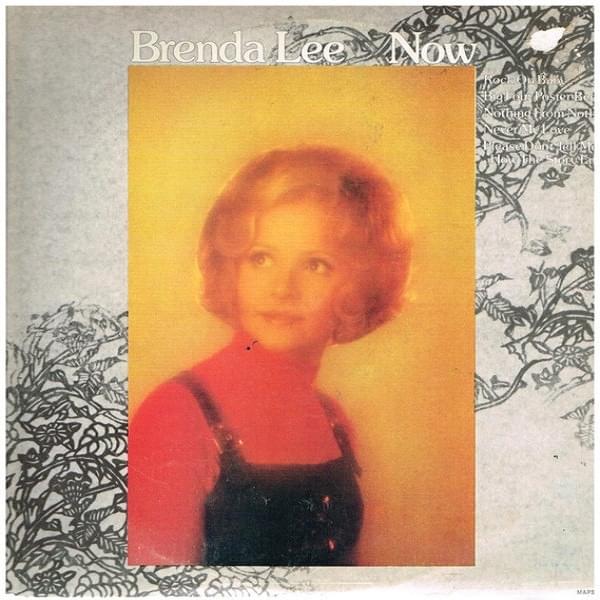
{"song_id": 12183331, "meaning": "Brenda Lee's \"Hosne Man\" isn't just a ballad; it's a masterclass in emotional suspense. The song's core plea – \"Please don't tell me how the story ends\" – immediately positions the listener in a state of exquisite tension. It's a desire to remain in the intoxicating present, even as the shadow of potential heartbreak looms large. Lee captures the inherent human tendency to prioritize immediate gratification, choosing the fleeting warmth of \"loving and believing\" over the cold certainty of a predetermined outcome. The repetition of the central request amplifies the sense of desperation, transforming a simple sentiment into a raw, vulnerable demand. It's the sonic equivalent of averting your eyes from an oncoming train wreck, choosing the imagined possibility of escape over the inevitable crash.
The lyrics subtly hint at a relationship teetering on the edge. Lines like \"This could be our last good night together\" and \"Someday this may be all we remember of each other\" suggest an awareness of impending loss. But rather than confront this reality head-on, the narrator actively resists it. This resistance, however, isn't necessarily denial. It's a calculated choice to savor the present moment, to extract every last drop of joy and connection before the inevitable conclusion. The imagery of shadows coming together, \"softer than your fingers on my skin,\" evokes a sensual intimacy that the narrator clings to as a form of temporary salvation. The \"Hosne Man\" lyrics become less about avoiding pain and more about maximizing pleasure within the confines of a doomed situation.
Ultimately, \"Hosne Man\" explores the complex relationship between hope and despair. The echo of \"Never\" against \"Forever\" encapsulates the paradoxical nature of love itself – its capacity to be both eternal and fleeting. The \"lonesome as the love that might have been\" lyric adds another layer of melancholy, suggesting that the fear of what could have been is as potent as the fear of what will be. Brenda Lee's performance conveys not just sadness, but a fierce determination to control her own narrative, even if that control is ultimately an illusion. The song's meaning resides in this tension: the desire to rewrite destiny versus the acceptance of an ending already written in the stars."}
 View Artist