Song Meaning
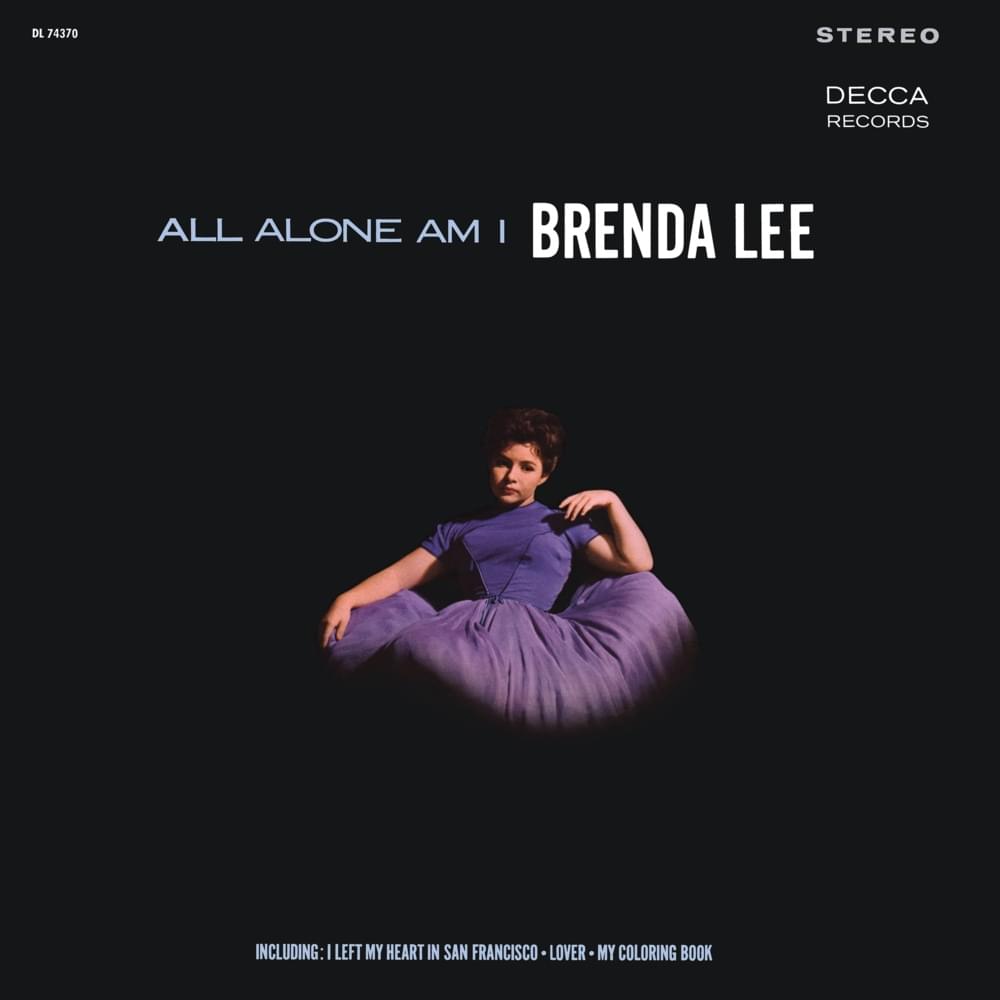
Brenda Lee's "All By Myself" isn't just a lament; it’s a stark portrait of existential loneliness, amplified by the relentless march of time. The song's power lies in its simple, direct language. Lee strips away any artifice, laying bare the ache of solitude. The opening lines, "All by myself in the morning / Yes, I'm all by myself in the night," establish a cycle, a repetitive loop of isolation that pervades every moment. It's not just about being alone; it's about the crushing weight of being alone *always*. The image of sitting at a table, playing solitaire, is particularly potent. Solitaire, a game for one, becomes a metaphor for a life lived in isolation, a futile attempt to fill the void of human connection. The unhappiness isn't merely circumstantial; it's woven into the very fabric of existence.
The ticking clock is a central image in understanding the song meaning. It serves as a constant reminder of time slipping away, of opportunities missed and connections unmade. The desire to "rest my weary head on somebody's shoulder" speaks to a fundamental human need for comfort and intimacy, a yearning for the kind of solace that only another person can provide. The repetition of the line underscores the depth of this longing. It's not just about physical weariness; it's about the emotional exhaustion of carrying the burden of loneliness alone.
Ultimately, "All By Myself" is a meditation on mortality. The fear of growing older alone is a fear of facing the end of life without having shared it with someone. It's a recognition that life's experiences are often amplified or diminished by the presence or absence of others. The song resonates because it taps into a universal fear, the primal dread of being alone in the face of our own impermanence. Brenda Lee doesn't offer easy answers or platitudes; she simply holds up a mirror to the quiet desperation that can accompany a solitary existence.
 View Artist