Song Meaning
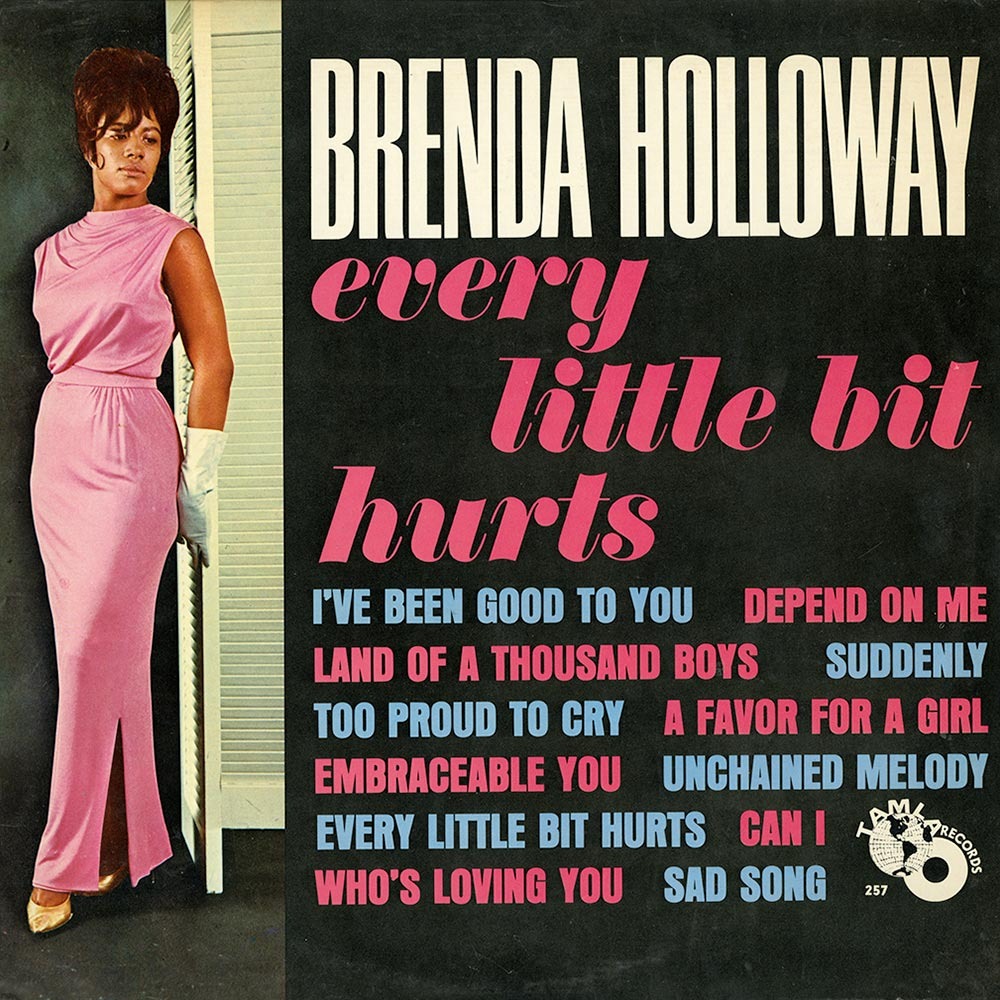
The narrator is caught in a loop of sorrow, clinging to a "sad song" as a familiar companion to their misery. The repetition of "let that sad song play just one more time" isn't about enjoying the music, but about leaning into the pain, as if no words could articulate their feelings or alleviate their self-inflicted loneliness. They acknowledge their wrongdoing, specifically wishing for "he" to return, suggesting a relationship's end is the source of this blue mood. The plea to hear the song again feels like a desperate attempt to process or perhaps even wallow in the emotional aftermath of this loss.
The core tension lies in the narrator's simultaneous self-awareness and inability to escape their emotional state. They admit, "I know I was wrong," yet the desire for the lost person's return and the repeated request for the "sad song" highlight a passive resignation to their current feelings. The lyrics suggest a profound sense of isolation, where the only solace found is in the melancholic soundtrack that mirrors their internal landscape. This creates a poignant picture of someone trapped by their own choices and the lingering ache of regret.
The most striking aspect of the writing is the direct address embedded within the verses, particularly in the third section: "Why don't you, why don't you, why don't you play that / Sad song one more time." This shift from internal monologue to an implied external entity – perhaps a DJ, a friend, or even the song itself – adds a layer of desperate pleading. It underscores the narrator's helplessness, as they can only request the familiar sound of their own sadness rather than actively seeking a resolution or comfort. The repeated phrase "I'm so lonely and I'm so blue, yeah" acts as a constant, almost mantra-like refrain, reinforcing the inescapable nature of their emotional state.
This lyrical construction is effective because it bypasses complex metaphors and speaks directly to the raw, immediate experience of being stuck in sadness. The simplicity of the language and the relentless repetition mirror the feeling of being unable to move forward. The narrator isn't seeking understanding from an audience as much as they are seeking confirmation of their own pain through the "sad song." It’s this unvarnished portrayal of emotional inertia and the quiet desperation for a familiar ache that makes the lyrics resonate.
 View Artist