Song Meaning
The lyrics paint a stark picture of a morning after a night of excess, set against the mundane backdrop of a bar. The opening lines immediately establish a sense of quiet desolation, with "Daylight in an old beer bottle" and "The sun's the only star" creating a visual of dim, lonely light. This isn't a glamorous scene; it's the harsh reality of consequences dawning with the sun.
The central tension arises from the contrast between the narrator's "great undoing" and the peaceful unawareness of another person, implied to be a partner, who was "sleeping" while the narrator was "senseless." This fuels a profound sense of shame and isolation, as the narrator anticipates judgment and exile: "And now you'll go and run me out of town." The feeling of being exposed and irrevocably marked by past actions is palpable.
The craft here hinges on potent, almost bleak imagery and a direct, unvarnished confession. The phrase "ashes of my great undoing" is particularly striking, suggesting a destructive act that has left a mess to be cleaned up. The personification of "Me and the Dawn and the Consequences" arriving together solidifies the inescapable nature of the fallout from the previous night's recklessness. The narrator's resignation, "That's the way it goes," underscores a deep-seated belief that this is their deserved fate.
What makes these lyrics hit hard is their unflinching honesty about regret and self-inflicted downfall. The narrator doesn't shy away from admitting their foolishness and the public shame that follows, encapsulated in the final, damning line: "I'll never live this down." It’s a raw portrayal of facing the music, literally and figuratively, when the party is over and the damage is done.
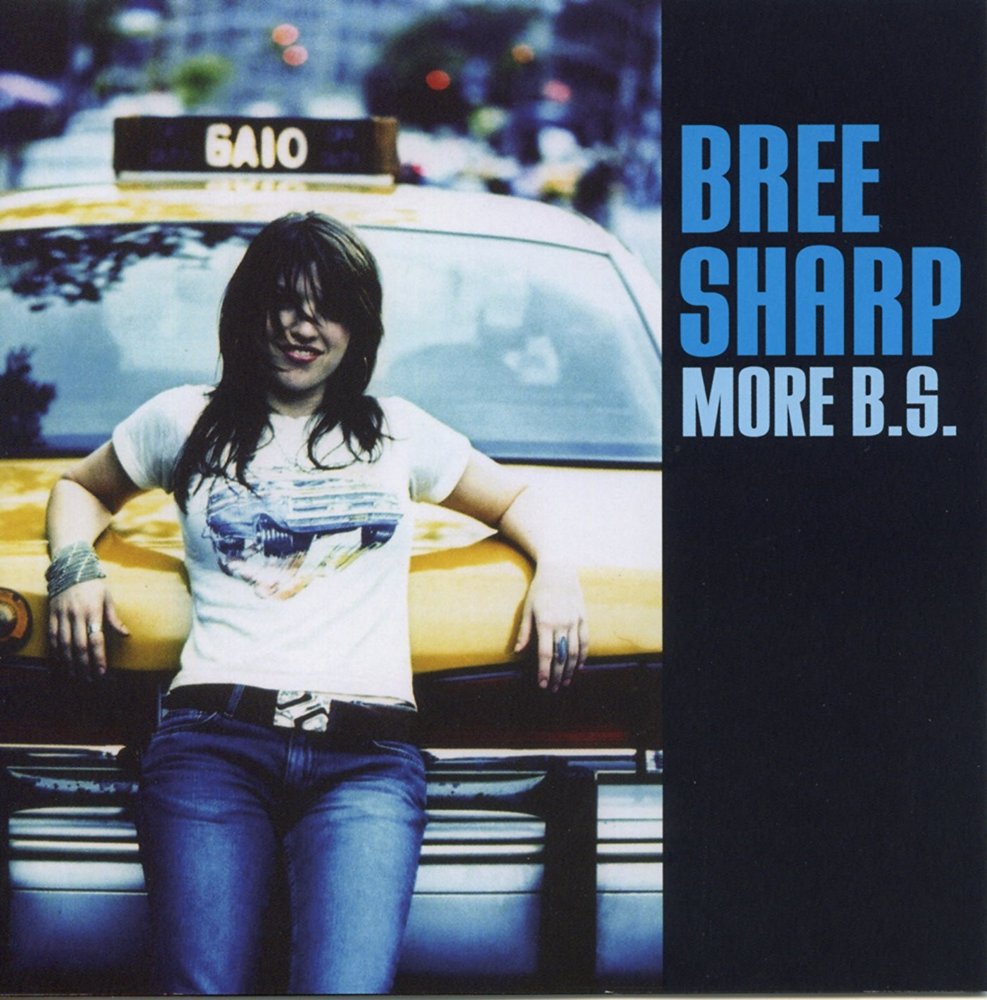
 View Artist