Song Meaning
The lyrics grapple with the fleeting nature of existence and the painful realization that time is a finite resource. The narrator observes a world where dreams are constructed only to vanish, and opportunities seem predetermined and out of reach. This sets a tone of profound melancholy, questioning the very purpose of ambition when faced with inevitable impermanence. The repeated phrases "There's no time for us" and "There's no place for us" underscore a sense of cosmic displacement and urgency.
The central tension arises from the paradox of wanting to hold onto precious moments, particularly those involving love, while acknowledging that all things, including love, must eventually end. The question "Who wants to live forever?" becomes a rhetorical device, highlighting the inherent tragedy of mortality. It’s not a genuine desire for eternal life, but a lament that the beauty of life and love is amplified by its very transience, making the prospect of endless existence without them unbearable.
The most striking lyrical device is the dramatic shift in the bridge. The narrator moves from existential despair to a defiant embrace of the present moment. "Forever is our today" transforms the abstract concept of eternity into something tangible and immediate, found in the shared experience of love. This redefinition offers a powerful counterpoint to the earlier feelings of helplessness, suggesting that true fulfillment can be found not in endless time, but in the intensity of the present.
This emotional arc makes the lyrics resonate deeply. By contrasting the crushing weight of mortality with the exhilarating possibility of finding forever in a single, shared moment, the song captures a universal human yearning. The craft lies in its ability to articulate profound existential dread and then pivot to a hopeful, albeit temporary, resolution, grounding the abstract concept of forever in the intimate act of connection.
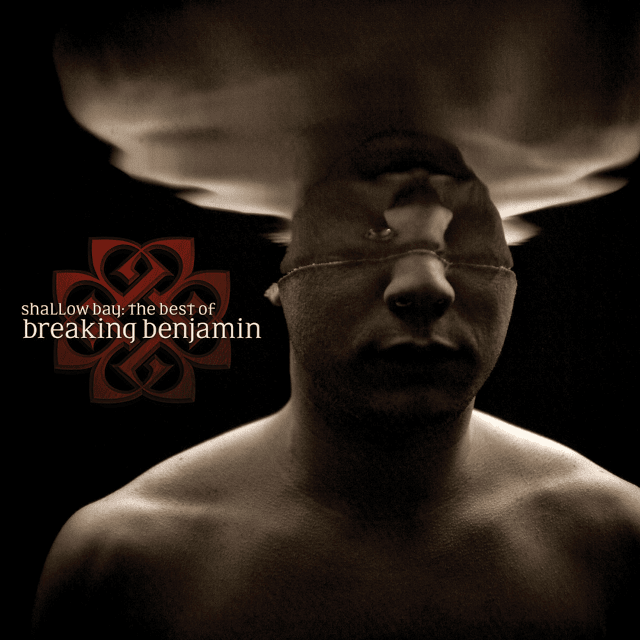
 View Artist