Song Meaning
The lyrics paint a stark picture of a cyclical, damaging relationship where one person consistently returns to a source of pain, despite knowing the outcome. The opening lines immediately establish a sense of dread and resignation: a familiar knock signals the arrival of someone who, despite the narrator's attempts to deny it, will inevitably be let in. This isn't a new situation; the narrator's "pride doesn't mean a thing" because it was "lost it for him years ago," suggesting a long history of this pattern.
The central tension lies in the narrator's internal conflict between a desperate hope for change and the crushing reality of the other person's unreliability. The narrator tries to "remind him the promise he made," but he "doesn't remember now," highlighting a profound disconnect and a disregard for past commitments. This futility is amplified by the idea that "time, the friend that would bring him around, / Is turning on you and it's bringing you down," indicating that the passage of time, which should offer healing or resolution, only deepens the narrator's despair.
The most striking aspect of the writing is the heartbreaking repetition of "Come again." This phrase, uttered after the other person leaves, transforms from a simple farewell into a plea, a resignation, and a curse. It underscores the narrator's inability to break free from the cycle, even as they acknowledge the pain it causes. The lyrics suggest that the narrator is trapped, telling him "you love him and want him to change," only to hear "how often you hear as he's closing the door," followed by a soft, defeated "goodbye" and the inevitable "Come again."
This lyrical construction is effective because it captures the quiet desperation of someone caught in a loop of hope and disappointment. The contrast between the narrator's internal pleas for change and the other person's forgetfulness, coupled with the recurring, almost whispered "Come again," creates a powerful sense of emotional exhaustion. The focus on small, repeated actions like the knock, the closing door, and the soft goodbye makes the overwhelming emotional weight feel intensely personal and deeply ingrained.
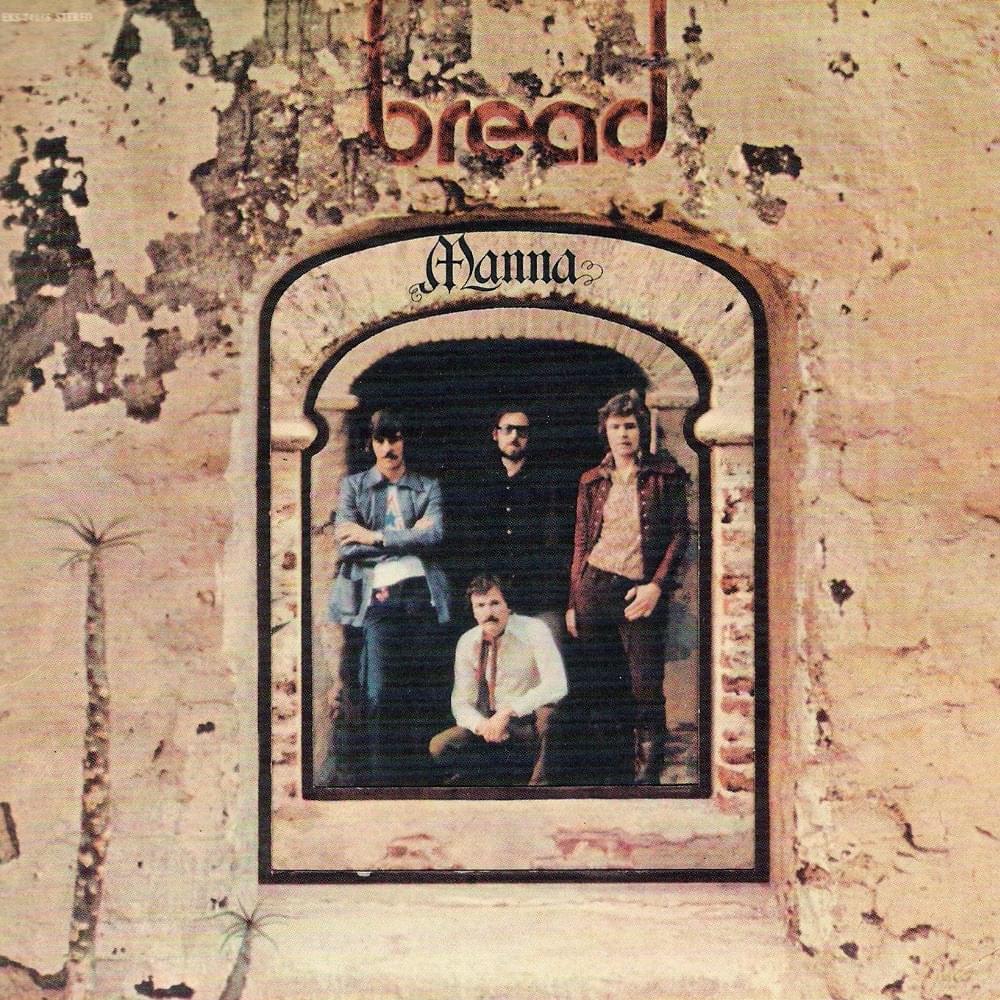
 View Artist