Song Meaning
The lyrics launch into a bizarre, scatological stream of consciousness, repeatedly declaring "Die Gedanken sind frei" (Thoughts are free). This opening immediately establishes a tone of defiant irreverence, juxtaposing a profound statement with crude bodily humor. It's a chaotic celebration of unfiltered expression.
The core tension lies in the stark contrast between the lofty ideal of "thoughts are free" and the utterly uninhibited, often vulgar, content that follows. The speaker's "tuchis emits blasts" are not just gross-out humor; they're a visceral demonstration of thought unbound by politeness or decorum. This suggests a radical interpretation of intellectual freedom, one that embraces the messy, undignified aspects of human experience.
The lyrical craft thrives on jarring shifts and a unique linguistic blend. Yiddish slang like "futzies" and "putz" injects a specific cultural flavor of playful, often self-deprecating, vulgarity. This choice, alongside the German refrain, creates a multilingual tapestry that underscores the idea that freedom of thought transcends linguistic boundaries, even as it descends into specific, often juvenile, political jabs.
These lyrics are effective precisely because they refuse to sanitize "free thought." By pairing a historical anthem of intellectual liberty with crude humor and pointed political insults, the text forces a reconsideration of what it means to truly think without constraint. The speaker's sudden confession, "i'm a crook," further complicates the persona, suggesting that even morally questionable thoughts are part of this unbridled mental landscape, making the declaration "Die Gedanken sind frei" a provocative and unsettling challenge to conventional notions of freedom.
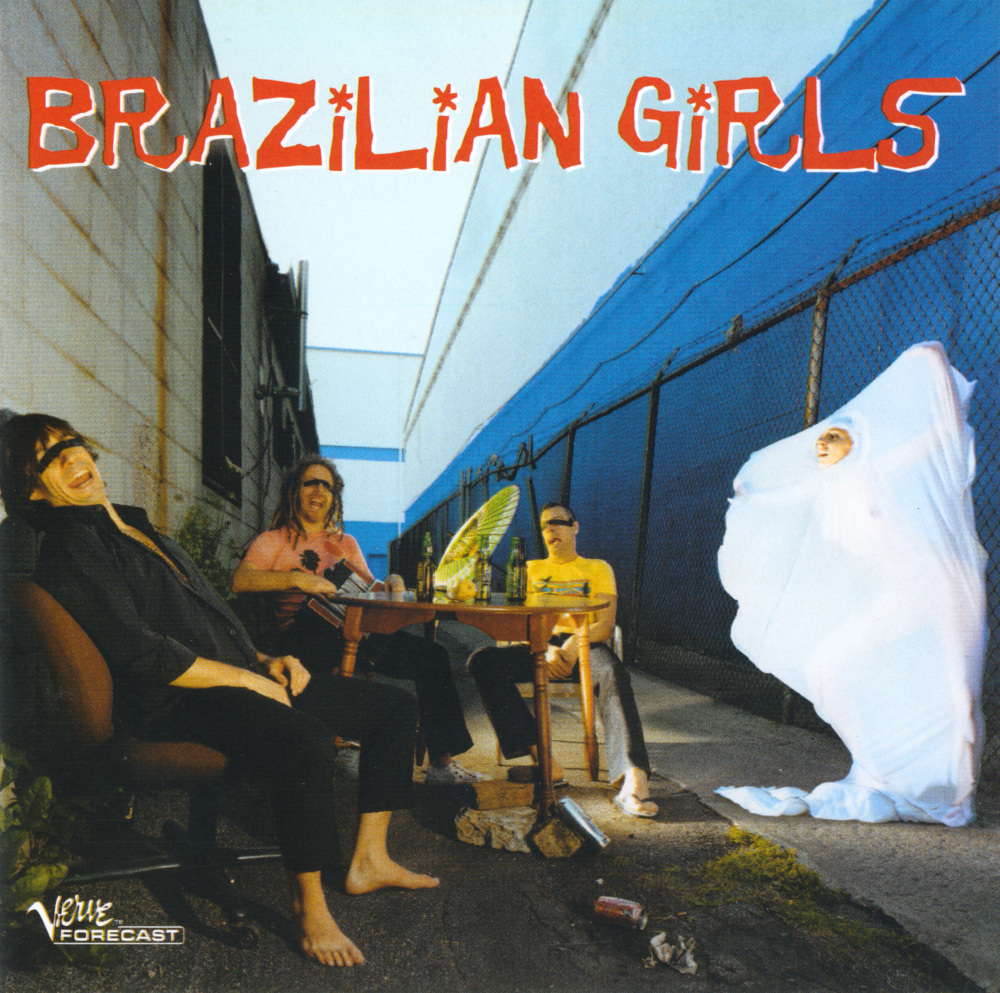
 View Artist