Song Meaning
The lyrics paint a picture of disconnection and aimless movement, a collective drift where individuals are physically present but emotionally absent from each other. The opening lines, "On s'enfuit, on s'en fout" (We run away, we don't care), immediately establish a tone of apathy and avoidance. This is amplified by the image of consuming "things that travel more than us," suggesting a superficial engagement with the world, a constant pursuit of novelty that outpaces genuine connection or self-discovery. The repeated "On n's'écoute pas, on n's'entend plus" (We don't listen to ourselves, we don't hear each other anymore) underscores a profound breakdown in communication, both internal and external.
The central tension lies in the wasted energy directed towards maintaining this state of disunity. The refrain, "Autant d'énergie pour ne pas s'comprendre" (So much energy to not understand each other), is a powerful indictment of this collective inertia. The repeated plea, "Si seulement on... Avançait ensemble, ensemble, ensemble" (If only we... Moved forward together, together, together), highlights a deep-seated yearning for unity that remains just out of reach. This contrast between the effort expended on division and the simple desire for togetherness is the emotional core of the song.
One striking aspect of the writing is the use of paradoxical actions that reveal a society seeking validation through superficial means. "On fait la paix que pour des sommes" (We make peace only for sums) and "On fait d'l'audience en montrant son cul" (We get an audience by showing our ass) suggest a transactional and performative existence, where genuine connection is sacrificed for fleeting gains or attention. The idea of "On s'fait du mal en souriant" (We hurt ourselves while smiling) is particularly poignant, illustrating the internal suffering masked by outward appearances.
Ultimately, the lyrics resonate because they articulate a widespread feeling of being adrift in a world that prioritizes superficiality over substance and individual isolation over collective progress. The final lines, "Il faudrait un jour que l'on s'aime... Au delà des murs de nos chambres.. Quand est-ce que l'on fait ensemble?" (We should one day love each other... Beyond the walls of our rooms.. When will we do it together?), leave the listener with a lingering question, a call to action that feels both urgent and melancholic, emphasizing the potential for genuine connection that remains unfulfilled.
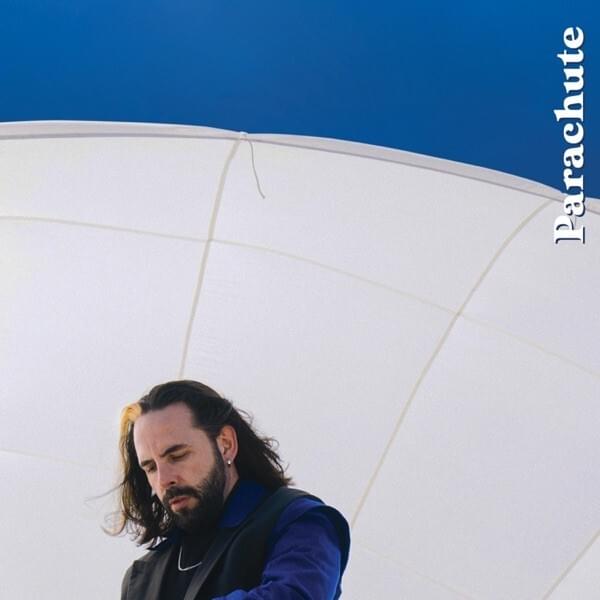
 View Artist