Song Meaning
The lyrics confront a dismissive attitude towards the deaths of women, framing it as a societal failure to care. The opening lines immediately establish a stark contrast: the trivialization of women as mere "piece of ass" versus the grim reality of "girls are dying." This sets up a tone of urgent, almost angry, observation, highlighting how sensationalized media ("hype and selling news") and male deception ("boys are lying") overshadow genuine concern for female lives. The repeated refrain to "shut your face" suggests a demand for silence from those who speak carelessly or who refuse to acknowledge the gravity of the situation, implying their words are a defense mechanism against confronting uncomfortable truths.
The central tension lies in the narrator's frustration with apathy. The lyrics directly question the listener's lack of empathy: "How many deaths does it take for you to / Feel something too?" This rhetorical question underscores the perceived disconnect between the frequency of violence against women and the public's emotional response, or lack thereof. The accusation that it's "nothing to you" and "just something to do" points to a superficial engagement with these tragedies, where public discourse is performative rather than rooted in genuine care. The dismissal of such voices as "we don't need you" reinforces the narrator's stance that empty talk is unwelcome.
A particularly sharp piece of craft is the ironic framing of the missing girls' stories. The chorus declares, "Sure don't know what you're missing," implying that those who ignore these events are the ones truly deprived of understanding or humanity. The provocative line, "Bury some liberal in the ground / You never cared if she was found," seems to accuse a specific political or social group of hypocrisy, suggesting their outrage is performative or self-serving, and that their concern for victims is selective. This twist redirects the anger, implying that even those who claim to care might be doing so for the wrong reasons or with insufficient depth.
Ultimately, the lyrics resonate because they articulate a raw frustration with societal indifference to violence against women. The power comes from the direct address and the unflinching portrayal of how lives become "old news" when overshadowed by other crises or trivialized by gossip. The demand for women to have "a right to know" and "a right to care" is a call for agency and recognition, asserting that these disappearances and deaths are not isolated incidents but matters of collective concern. The repetition of the opening verse in the final section brings the argument full circle, emphasizing the persistent, cyclical nature of this dismissiveness and the narrator's unwavering call to acknowledge the reality of women dying.
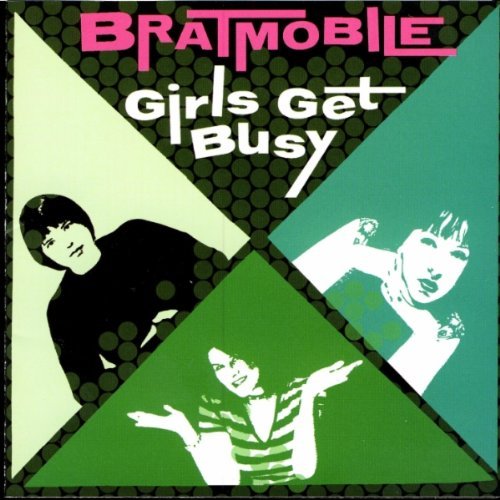
 View Artist