Song Meaning
The lyrics paint a picture of a descent into a terrifying, almost ritualistic darkness. The opening lines, "Drowned dead and deep / Occult splendour revealed," immediately establish a tone of morbid fascination and hidden, perhaps forbidden, knowledge. The setting is one of "Darkly curtained halls" where an "old custom" is maintained, suggesting a long-standing, ingrained tradition of confronting or succumbing to something sinister. This isn't a sudden shock but a familiar, albeit dreadful, experience.
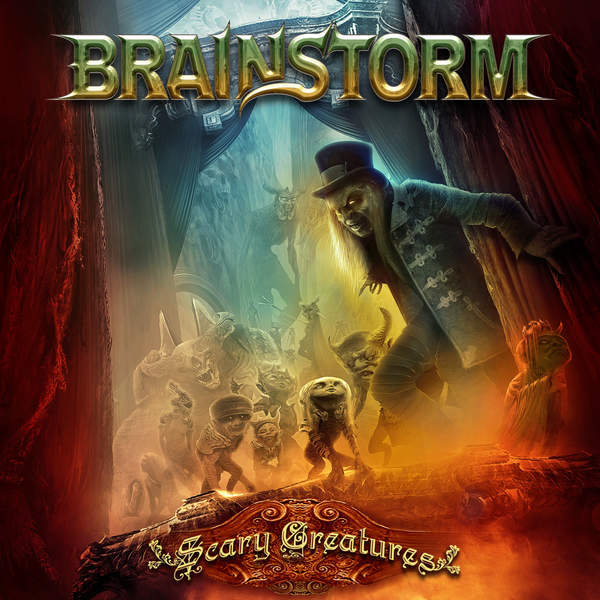
The central tension arises from an inescapable, internal dread. The narrator is forced to confront "scary creatures" whose "eyes" are being stared into, a visceral image of being trapped and observed. This confrontation is framed as "the same old story again, a poetry of fear," indicating a cyclical, recurring torment. The "host" calling their name and shifting the mood from joy to sorrow underscores the loss of control and the overwhelming power of this encroaching darkness. The "voices" in the brain, both trying to reach and approving of the narrator's plight, amplify this sense of internal invasion and external judgment.
The most striking craft element is the blurring of internal and external realities, particularly with the "voices appear inside my brain." This suggests a psychological breakdown where external threats manifest as internal dialogues, or perhaps an external force directly manipulating thoughts. The final lines, "The curtain falls but this time / Hell had come to your door," signify a definitive, catastrophic end to whatever facade of normalcy existed. The betrayal by those who "lied and cheated" and played "god" leads to a final state of being "bathed in the dark as the embers flare," a chilling image of utter devastation and inescapable consequence.
These lyrics resonate because they tap into a primal fear of the unknown and the loss of self. The specific imagery of "occult splendour" and "darkly curtained halls" creates a unique, unsettling atmosphere, while the internal "voices" and the feeling of being "taken for a fool" speak to a more universal experience of betrayal and mental anguish. The progression from a familiar dread to an apocalyptic "hell" makes the emotional impact feel earned and profound, leaving the listener with a sense of chilling finality.
 View Artist