Song Meaning
The lyrics paint a stark picture of post-breakup desolation, using the fiery autumn leaves as a backdrop for internal decay. The narrator grapples with a profound sense of loss, juxtaposing external destruction with personal stagnation. The lingering presence of a former partner's belongings, like a toothbrush, serves as a constant, quiet reminder of what's gone, amplifying the feeling of being adrift in a vast, lonely world. The narrator feels like an "empty man with a hollow soul," a profound hollowness that the passage of time only seems to deepen.
The central tension lies in the paradoxical nature of the narrator's 'victory.' Having seemingly won a 'final battle,' they are now left with an overwhelming emptiness, a freedom that offers no solace. This hard-won independence is revealed to be deeply unfulfilling, a hollow triumph that leaves the heart vacant. The celebration of freedom feels ironic when that freedom is defined by profound isolation and the absence of connection.
The most striking craft element is the recurring motif of emptiness and brokenness, directly contrasted with the idea of winning and freedom. The narrator has achieved a state of being 'broken' and 'empty,' yet frames it as a 'victory' and 'freedom.' This creates a powerful sense of cognitive dissonance, highlighting the psychological toll of the loss. The image of the toothbrush gathering dust is a potent, quiet symbol of a life paused and a relationship irrevocably ended, a tangible piece of the past that refuses to fade.
Ultimately, these lyrics resonate because they articulate a specific, painful truth about loss: sometimes, the end of a struggle brings not relief, but a chilling void. The narrator's acceptance of being alone, while framed as a form of freedom, is deeply melancholic. The writing effectively captures the quiet devastation of realizing that a hard-fought independence can feel like a profound, unfillable emptiness, leaving the narrator adrift with their 'broken' gift.
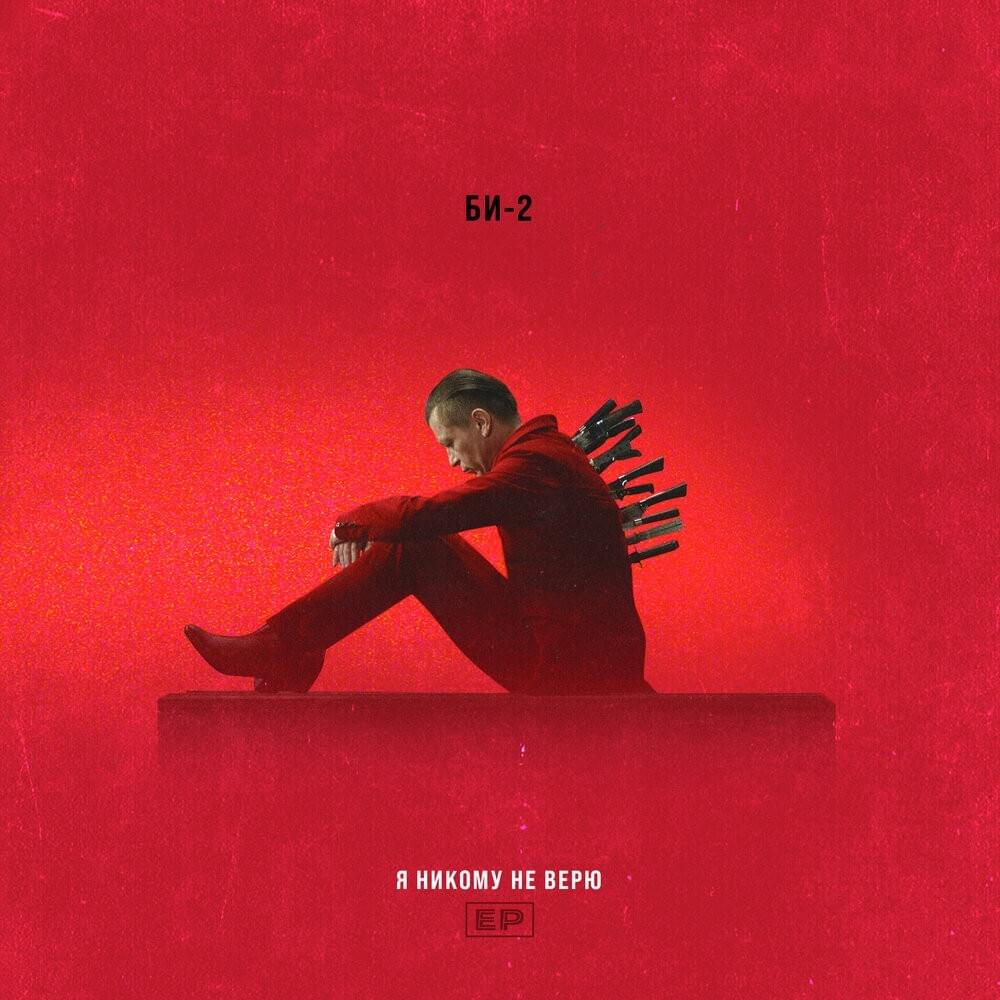
 View Artist