Song Meaning
The lyrics paint a vivid picture of a son's evolving relationship with his father, starting from childhood admiration to adult understanding. Initially, the narrator saw his father as a "giant," a figure of immense stature and wisdom whose every move he sought to emulate. This early phase is characterized by a desire to mimic and learn, establishing a foundational respect that would shape the narrator's own development. The imagery of learning "how to be like my old man" underscores this deep-seated aspiration.
The narrative then introduces a subtle tension: while the son admired his father, he also experienced moments of defiance when "made to walk the line." This suggests a natural push-and-pull of adolescence, where independence clashes with parental guidance. Yet, even in these moments, the lyrics imply a larger framework of care, noting that the father "knew how to lift me up / And when to let me fall," hinting at a deliberate, guiding hand behind the discipline. This duality of strictness and support is framed as part of the father's "plan."
The chorus offers a powerful shift in perspective, moving from childhood observation to adult realization. The tangible details of "callous on his hands / And dusty overalls" ground the father's identity in hard work and a life lived. The narrator's declaration, "Now I finally understand," signifies a profound moment of empathy and recognition of the sacrifices and lessons embedded in his father's life. This understanding is not just intellectual but deeply felt, as he admits, "I have a lot to learn."
This theme of cyclical inheritance is powerfully illustrated in the third verse, where the narrator, now a "giant" himself with a son, mirrors his own past. He finds his son trying "to go everywhere I go," echoing his childhood attempts to follow his father. The narrator's active effort to "raise him up the right way" and his hope that his son will want to be "Like his old man" reveal a desire to pass on the same legacy of guidance and strength he received. The final lines, "I'm trying to fill the boot of my old man," encapsulate this ongoing commitment to honoring his father's example through his own life and fatherhood, acknowledging the enduring impact of his father's presence, even in absence.
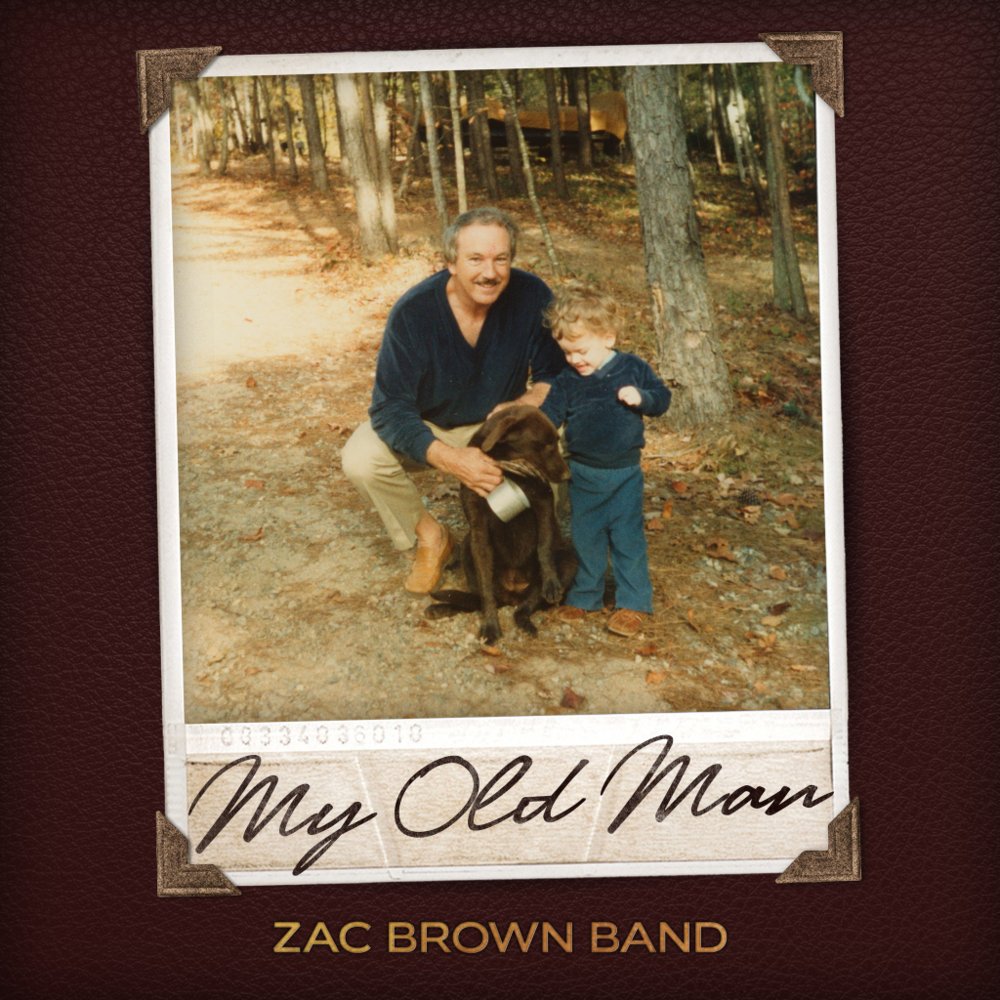
 View Artist