Song Meaning
Boz Scaggs's rendition of "I Should Care" delicately peels back the layers of denial that follow a romantic rupture. The core of the song meaning hinges on a central paradox: the speaker *knows* what societal expectations dictate—"I should care, I should go around weeping"—yet confesses a surprising detachment. This isn't mere indifference, but rather a defense mechanism, a carefully constructed facade against the potential for overwhelming grief. The initial verses suggest a studied nonchalance, almost a performance of normalcy. Sleep comes easy, dreams are manageable, and even the act of counting sheep becomes a tool for self-deception. The "sheep can lie you to sleep" line is particularly telling; it hints at a conscious effort to avoid confronting the reality of the loss.
The lyrics analysis reveals a struggle between the head and the heart. The speaker acknowledges the societal pressure to mourn and the possibility of never finding a comparable love. This admission cracks the veneer of indifference, exposing the vulnerability beneath. The repetition of "I should care, but it just doesn't get me" underscores the internal conflict. It's not that the speaker *doesn't* care, but rather that the depth of feeling is so profound that it's initially pushed down, manifesting as a numb disconnect. The phrase "it just doesn't get me" suggests an emotional blockage, a temporary inability to fully process the pain.
Ultimately, the song's power resides in its understated honesty. The final declaration, "But I should care, and I do," is a quiet but powerful moment of self-awareness. It signifies the beginning of acceptance, the first step towards healing. Boz Scaggs doesn't wallow in despair; instead, he portrays a nuanced emotional landscape, where grief is met with a complex mix of denial, resignation, and eventual acknowledgment. "I Should Care" isn't just a song about heartbreak, it's a poignant exploration of the human psyche's intricate coping mechanisms.
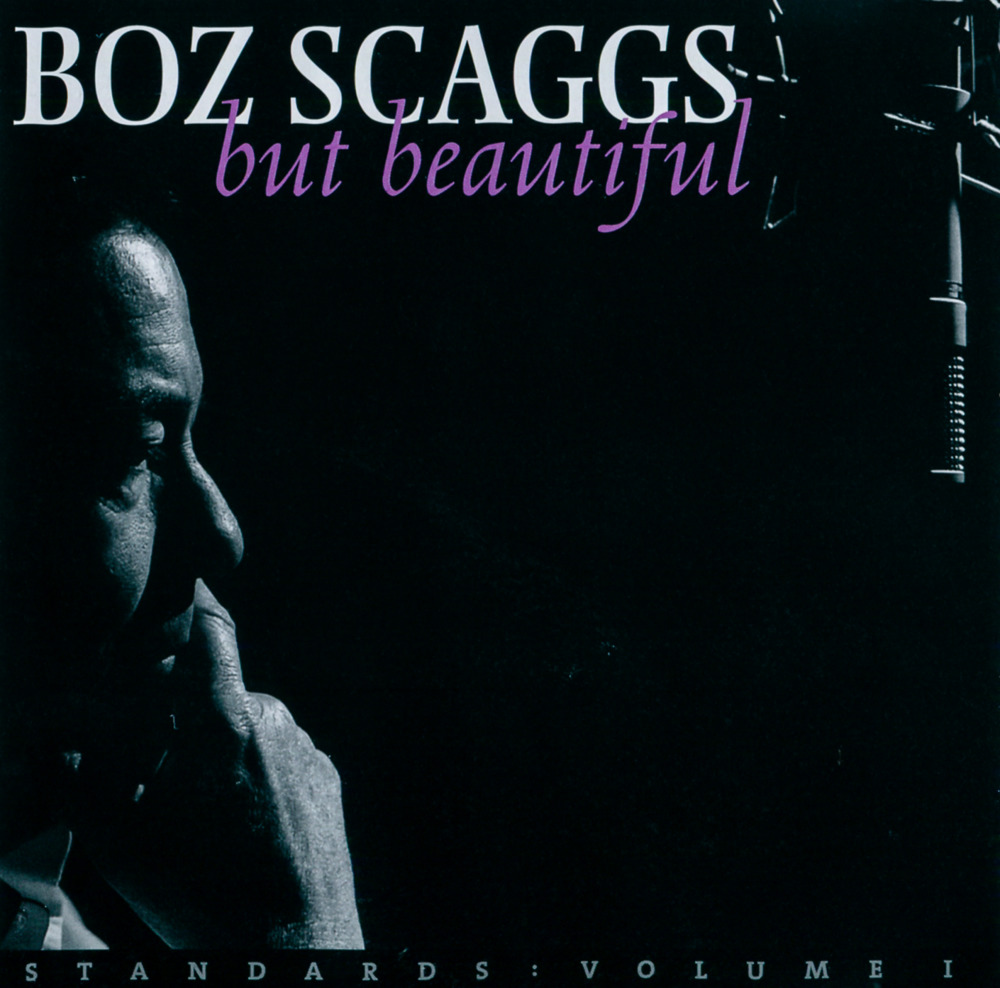
 View Artist