Song Meaning
The narrator is grappling with the aftermath of a breakup, fixated on whether their former partner has moved on and if they are happy. There's a palpable sense of longing and uncertainty, as the narrator questions the other person's current thoughts and relationships. This immediate emotional landscape is painted with direct, almost conversational questions that reveal a deep, lingering attachment.
The central tension lies between the narrator's hope for their ex's happiness and their own struggle to accept the finality of the separation. The repeated phrase "I've been told there'll be another" highlights this conflict. While this external reassurance offers a potential path forward, the immediate follow-up, "But I guess never like the other," underscores the unique pain of this specific loss, suggesting that no future connection can truly replace what was. This internal debate between external advice and personal feeling is the emotional engine of the song.
The most striking craft element is the juxtaposition of simple, declarative statements with profound emotional weight. "It's so simple to say I love you / But sometimes it's not enough" is a powerful, understated observation about the limitations of words in the face of complex feelings or circumstances. Similarly, the recurring motif of finding "my sunrise / At the end of these few words" suggests a desperate search for resolution or a glimmer of hope within the very act of expressing their pain, even if those words feel insufficient.
Ultimately, the lyrics resonate because they capture the raw, messy process of grieving a significant relationship. The narrator isn't offering platitudes; they're articulating the difficult, often contradictory emotions of wanting someone to be happy while still hurting from their absence. The song's effectiveness stems from its honest portrayal of this internal struggle, acknowledging that while healing is promised, the shadow of the past remains a potent force.
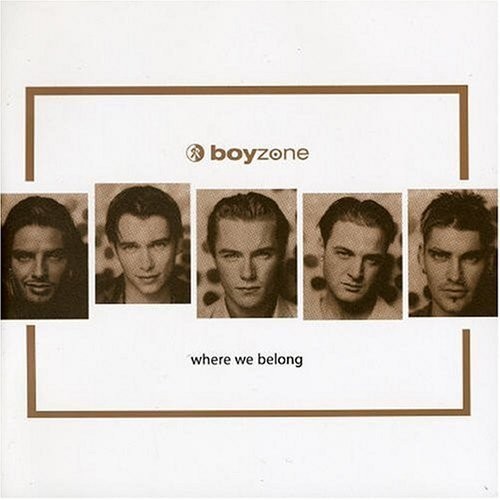
 View Artist