Song Meaning
The lyrics paint a chilling picture of how insidious evil can hide behind a veneer of order and normalcy. The opening lines contrast the quiet, sleeping rooftops and "perfect picture" of television with the "fanatical beliefs" lurking beneath, immediately establishing a sense of unease. This juxtaposition suggests that the most dangerous ideologies often masquerade as respectable or even mundane, making them harder to recognize and confront.
The core tension arises from the narrator's profound distress and confusion over this perceived civility of evil. The repeated refrain, "Sometimes I cry 'cause evil is so civilised," highlights a deep emotional wound caused by witnessing the normalization of horrific acts. This isn't just about recognizing evil, but about the pain of seeing it presented in a way that appears orderly, even acceptable, to some.
The writing powerfully employs stark imagery to convey the brutality hidden by this facade. Phrases like "white sheets and burning crosses" and "strange fruit, blood on the land" are potent allusions to hate crimes and racial violence. The lyrics then pivot to "weak minds and shallow prophets" and "fear rides the silver bullet," suggesting that manipulation and fear-mongering are key tools in maintaining this "civilised" evil, extending from religious institutions "to the womb."
Ultimately, the effectiveness of these lyrics lies in their ability to evoke a visceral reaction to the hypocrisy of evil. The narrator's plea, "Oh God I pray for you," and the final desperate hope, "I hope you wake before you die," underscore a profound sense of sorrow and a yearning for redemption, even for those perpetuating such darkness. The writing forces the listener to confront the unsettling idea that evil doesn't always scream; sometimes, it whispers from behind a polished surface.
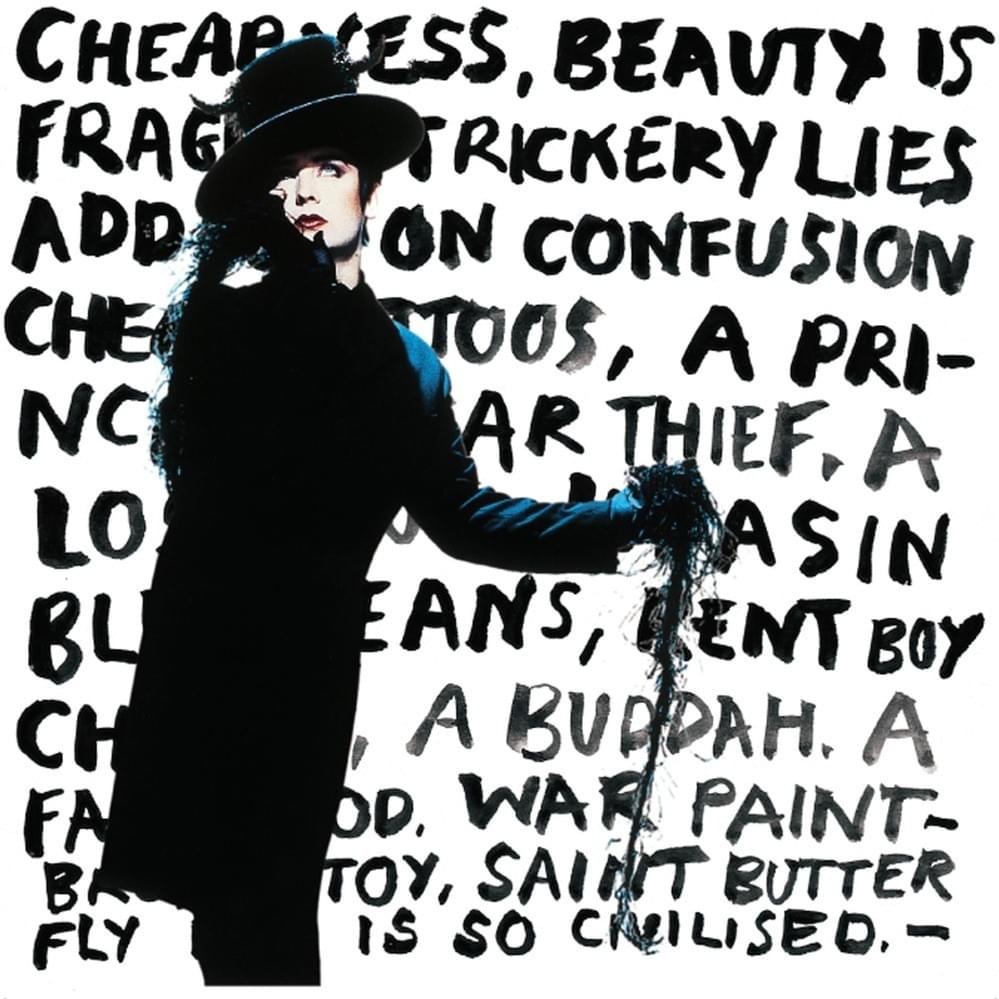
 View Artist