Song Meaning
The lyrics paint a poignant, almost dreamlike scene under a "memphis sky," where "stars falling" sets an immediate tone of beautiful, inevitable loss. The repetition of "Tea for two stars falling" creates a melancholic rhythm, suggesting a shared, perhaps fleeting, moment of wonder that's already in decline. The narrator acknowledges the fading, but clings to the memory of brilliance: "But oh, didn't we shine."
The central tension lies between acknowledging an ending and cherishing the past. The narrator knows "it's soon to be fading out" and that the loved one is "fading fast," yet the refrain "didn't we shine" insists on the value of what was. This isn't about a simple breakup; the mention of "the memphis blues" and the clarification "It weren't the memphis blues you had" suggests a deeper, perhaps terminal, illness or a more profound separation than mere heartbreak.
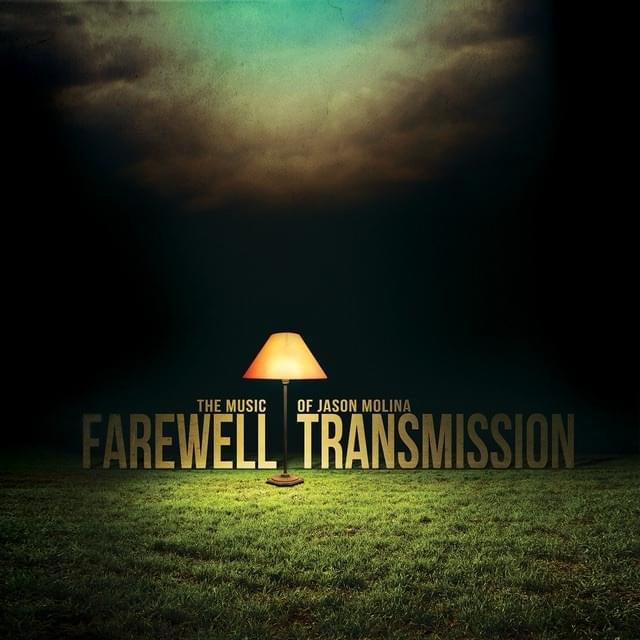
The most striking craft element is the juxtaposition of cosmic imagery with intimate, earthly details. "Stars falling" and "night bird called" evoke a grand, almost fated backdrop, while "Put your little hand in mine darling" grounds the emotion in a tender, physical gesture. The repeated phrase "didn't we shine" acts as a powerful anchor, a defiant assertion of past glory against the encroaching darkness, even as the narrator instructs to "Turn your lamp down low."
This writing is effective because it captures the bittersweet ache of remembering intense joy while facing profound loss. The lyrics don't shy away from the sadness of fading, but they elevate the memory of shared brilliance. The final image of the "whistle singing now to the lonesome pine" adds a layer of solitary, mournful sound, reinforcing the theme of departure and the enduring echo of a time when they "shine[d]."
 View Artist