Song Meaning
The lyrics paint a picture of a life lived with a restless curiosity, starting with a child's hand reaching out and ending with a quiet anticipation. The recurring image of a "white wall" serves as a central metaphor, suggesting a seemingly blank canvas that, upon closer inspection, reveals a spectrum of experiences and emotions. The initial lines, "A child's hand is quickly filled / Stood on a tile on the wall / But nothing is as quickly empty again / As that same child's hand," establish a theme of fleeting moments and transient desires. This sets the stage for a journey through youthful impulsivity and artistic exploration.
The narrator's progression is marked by a series of bold, perhaps reckless, actions. The phrase "stuck my hand in the yellow fire" evokes a dangerous curiosity, a willingness to test boundaries. This is followed by a dive into a "wild beast garden / Of Campert Monk and Braque," suggesting an immersion in challenging art and perhaps a period of bohemian wandering. The act of throwing "a last stone / When the wall was already demolished" indicates a participation in a cause or conflict that has already reached its conclusion, highlighting a sense of being slightly out of sync or arriving too late.
The repeated question, "Oh, how many colors can you find / In a white wall?" is the lyrical core. It’s not about literal color, but about the richness of experience that can be found even in what appears simple or uniform. The "white wall" transforms from a child's playground to a backdrop for artistic and existential searching. The imagery of "flowers of glaze" blooming in the "magical dawn" after the wall is down suggests that even in destruction or aftermath, beauty and new forms can emerge. The later lines about love as a "rainbow / First radiant then faded" and the shift to "winter time" with an "extra chime" point to the cyclical nature of life, where joy fades and time presses on, yet the search for meaning continues.
Ultimately, the lyrics suggest that a life, even one marked by youthful recklessness and a sense of missed timing, holds a profound depth. The narrator's final stance, "I wait and know that what I want to write / Will come in time," is one of patient acceptance. The "white wall" becomes a testament to the unseen complexities and the potential for revelation that exists within the seemingly ordinary, a quiet acknowledgment of the myriad colors painted by time and experience.
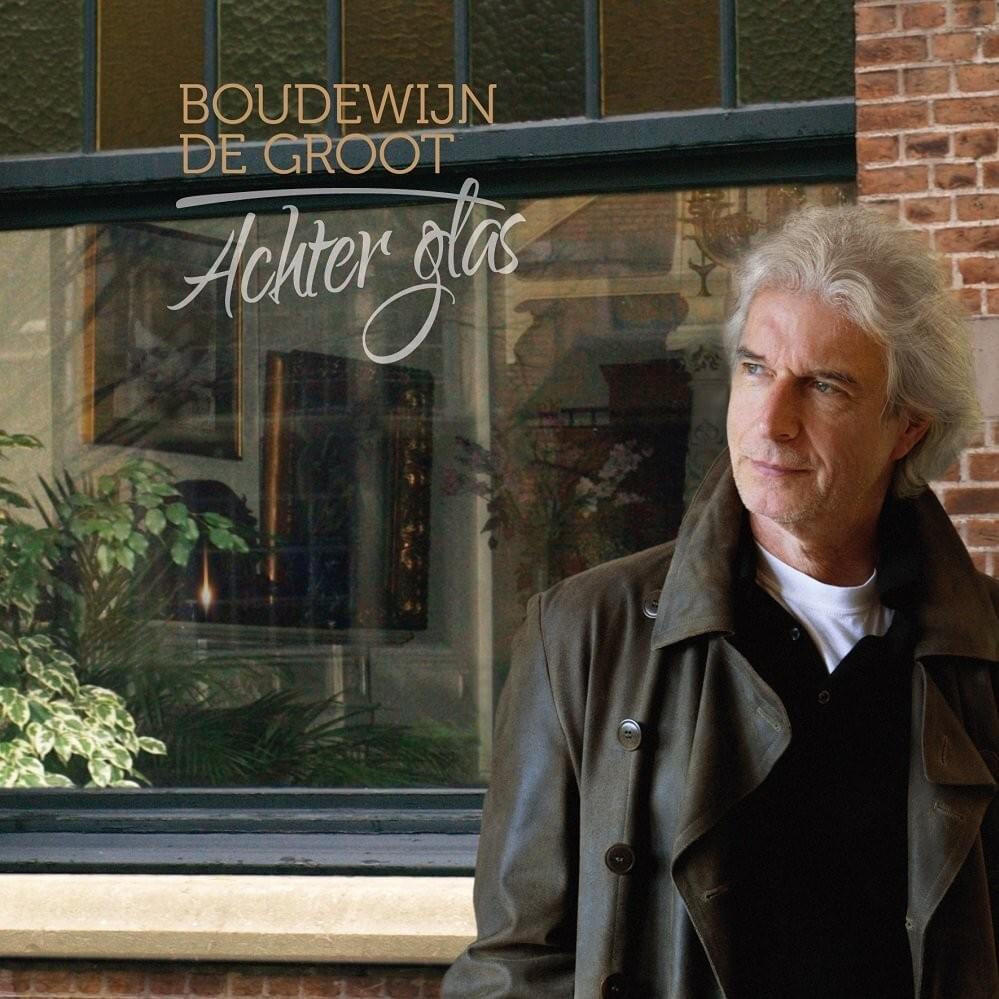
 View Artist