Song Meaning
The lyrics paint a stark picture of a relationship in crisis, where one person's anger is met with the narrator's profound inability to respond. The opening lines immediately establish a tense confrontation: "Haar gezicht is wit van woede" (Her face is white with anger). This visual sets the stage for a moment of profound disconnect, where the narrator feels utterly lost, stating, "Nog nooit een slag zo zwaar verloren" (Never a battle lost so hard).
The core conflict seems to stem from a broken promise and the narrator's failure to defend himself or articulate his position. The line "Je hebt het me gezworen" (You swore it to me) points to a betrayal or a significant letdown. The narrator's internal struggle is palpable as he admits, "Voorgoed schiet ik tekort in slimme woorden" (Forever I fall short in clever words), highlighting a deep-seated inadequacy in communication that exacerbates the situation. The partner's honest gaze, "Haar ogen zijn te eerlijk" (Her eyes are too honest), makes the narrator's silence even more damning.
The widening distance between them is a central theme, amplified by the narrator's confusion about the cause. He can only offer a resigned admission: "je hebt gelijk" (you are right). This simple, repeated phrase becomes a symbol of his surrender and the crushing weight of his failure. The repeated declaration, "Nog nooit een slag zo zwaar verloren," underscores the devastating finality of this moment, suggesting a point of no return in their relationship.
This piece resonates because it captures the painful paralysis of realizing you've fundamentally failed someone you care about, and you lack the very tools—words, defense, understanding—to fix it. The raw honesty of the narrator's self-assessment, particularly his admission of being "tekort in slimme woorden," makes the emotional weight of this lost battle incredibly tangible and relatable.
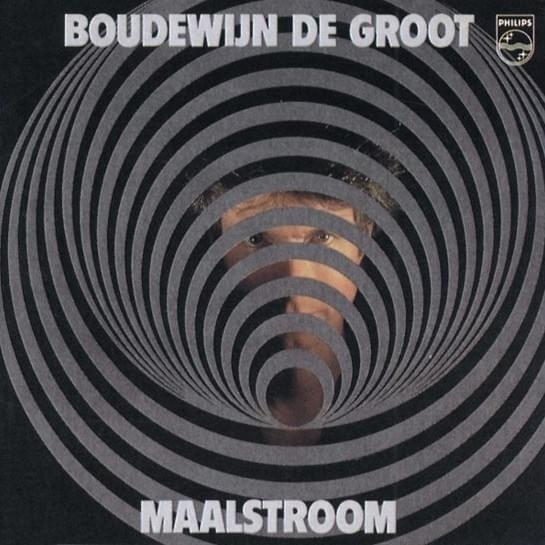
 View Artist