Song Meaning
The lyrics paint a picture of a narrator eager to share hidden wonders, but met with a listener's profound inattention. The initial verses offer vivid, almost dreamlike imagery of "blue mountains" with "slopes overgrown with wine" and "white temples in Rome," suggesting a desire to guide someone to places of beauty and perhaps spiritual significance. This shared revelation is contingent on the listener being "still," implying a need for quiet receptiveness to truly perceive these revelations. The narrator presents these as secrets only to be unveiled in moments of shared silence.
However, a sharp turn occurs with the line, "But you haven't listened long enough." This immediately introduces the central tension: the narrator's yearning to communicate versus the listener's inability or unwillingness to receive. The listener is described as "chained to your own heart," and "blinded in your own eyes," indicating a self-imposed isolation that prevents them from engaging with the narrator's offered world. This internal focus makes them deaf to the narrator's attempts to share something beyond their immediate, self-centered perception.
The most striking aspect of the craft is the contrast between the narrator's offered external revelations and the listener's internal fixation. The narrator claims, "I have not lied like you, / Soft and quiet and whispered hard," suggesting a difference in their communication styles or intentions. While the listener seems to engage in a deceptive or superficial form of communication, the narrator's own admission, "I have only deceived myself," reveals a complex internal struggle. This self-deception might stem from the very act of trying to connect with someone who won't listen, or perhaps from a past experience that has made them wary.
Ultimately, the lyrics resonate because they capture the profound frustration of unreciprocated connection and the pain of being misunderstood. The beautiful, almost mythical places the narrator wishes to reveal are rendered inaccessible by the listener's self-absorption. The narrator's final admission of self-deception adds a layer of poignant introspection, suggesting that the attempt to share these wonders, or perhaps the hope of being heard, has led to their own form of quiet disillusionment.
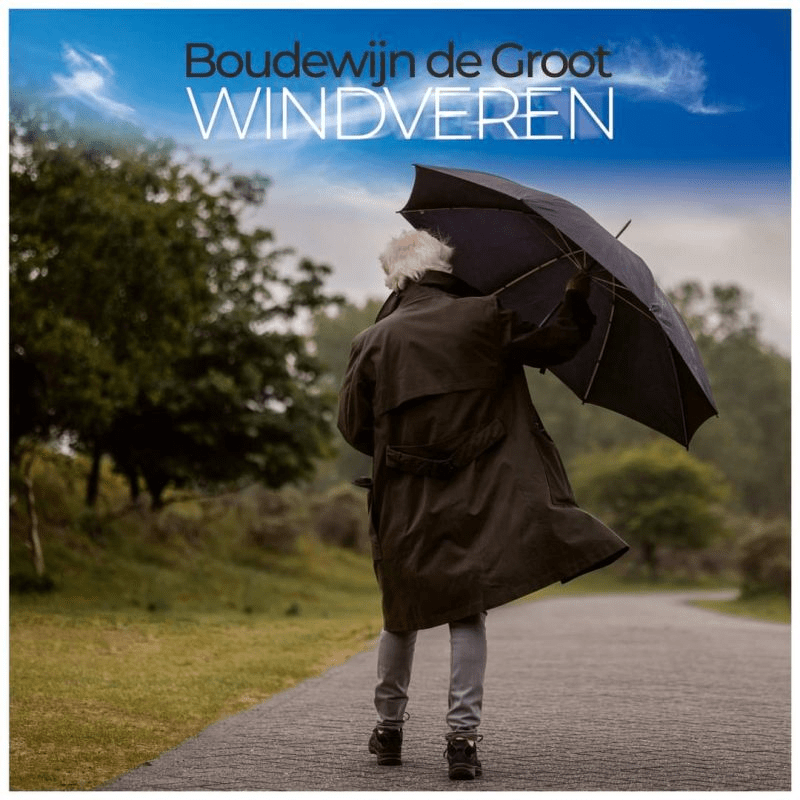
 View Artist