Song Meaning
The lyrics paint a stark, almost mythic scene where the narrator is "awakened" by Autumn, only to confront the "vague yet deep" shadow of Winter. This isn't just a seasonal change; it's a profound, internal confrontation. The imagery of "hands" suggests a guiding, perhaps even fated, force initiating this encounter with a chilling, shadowed presence. The dominant tone is one of somber introspection and a reluctant acceptance of a difficult path.
The central tension arises from the dual nature of this "creature" or "force." It's described as the "spine of the essence," the "force behind my cause," and the "heart and soul of my way," implying it's fundamental to the narrator's being and purpose. Yet, it's also "clad as Sin" and a "grim token," suggesting a dark, perhaps morally ambiguous, aspect that must be navigated. This duality creates a sense of internal conflict, where the very essence of one's path is intertwined with something ominous.
The most striking craft element is the personification of abstract concepts and the cyclical, almost ritualistic, repetition. "Autumn" and "Winter" are presented as active agents with "hands," while the "creature" embodies both essence and sin. The repeated phrase "The Winterway" acts as a refrain, defining a specific, arduous journey. The lyrics suggest this "Winterway" is not merely a physical path but a spiritual or existential one, demanding "might" and leading through "the coldest night" and "rough Winterway."
Ultimately, the effectiveness of these lyrics lies in their evocative, almost elemental, imagery and their portrayal of an internal struggle framed as an epic quest. The language creates a sense of unavoidable destiny, where confronting the "shadow" and walking the "Winterway" is presented as a necessary, albeit grim, rite of passage. The stark descriptions of ice, naked trees, and darkened days underscore the challenging nature of this internal path, making the narrator's acceptance feel both profound and inevitable.
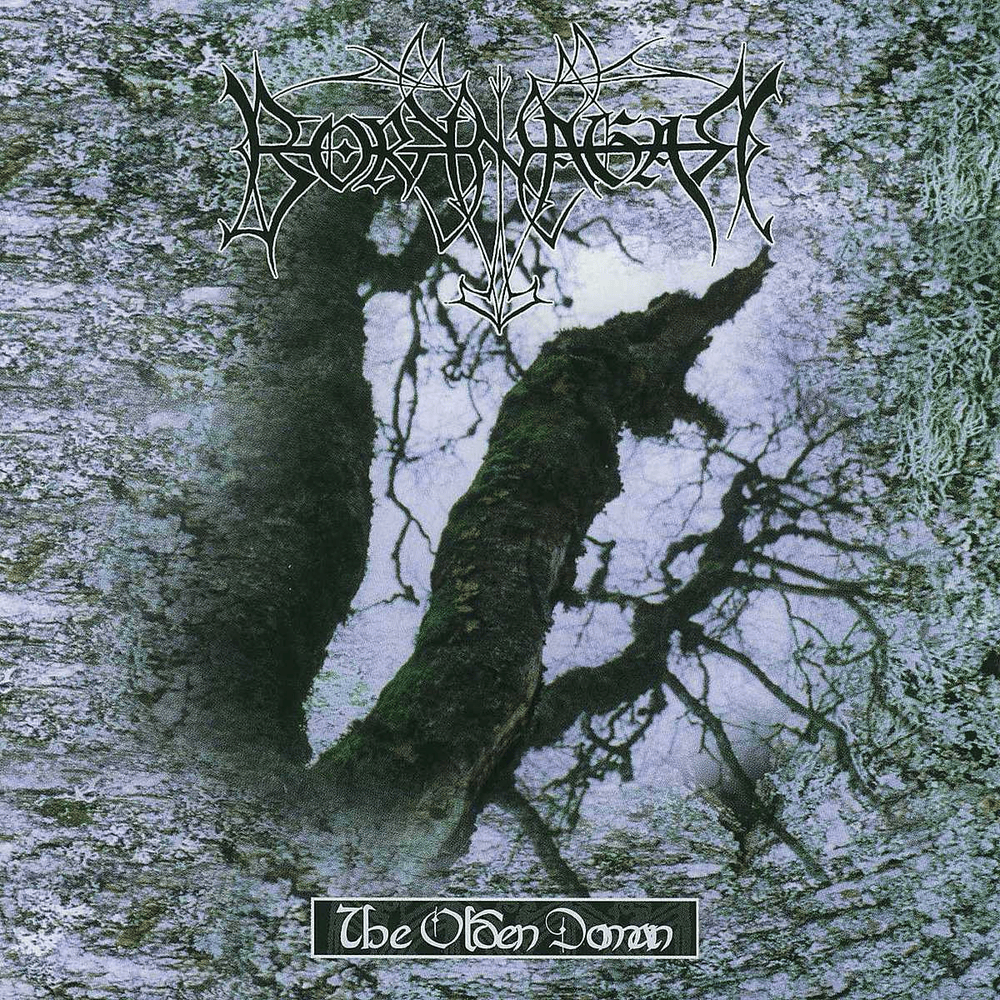
 View Artist