Song Meaning
The lyrics paint a picture of humanity bound by inescapable cycles, suggesting a fundamental, almost cosmic, constraint on our existence. We're depicted as "slaves to differential rotation" and "servants to progression's motivation," implying that our very nature dictates a slow, predetermined march through time. This isn't a personal struggle but a species-wide condition, where escape is impossible until vast epochs have passed and the future has already become the past. The narrator seems to be grappling with this inherent lack of agency.
This sense of being trapped is amplified by the idea of being a "product of what we call inventions" and a "victim of a myriad of intentions." It suggests that our creations and the goals of others, perhaps even our own societal structures, further entrench us in these repetitive patterns. The progression from needing to "walk before we can run" and "think before we talk" highlights a developmental stage that feels less like growth and more like being forced through predetermined steps. The lyrics convey a feeling of being swept along, unable to break free from these imposed or inherent limitations.
The core of the lyrical tension lies in the phrase "our unnatural nature keeps rotating between two cradles." This is a fascinating paradox: our nature is described as "unnatural," yet it's also the source of our constant, inescapable "rotation." The "two cradles" could represent opposing forces or states of being – perhaps birth and death, progress and decay, or even the tension between our biological drives and our intellectual aspirations. The "endless repetition" and being "trapped in orbit" further emphasize this feeling of being stuck in a loop, unable to find true resolution or freedom.
Ultimately, the effectiveness of these lyrics stems from their grand, almost philosophical scope combined with a stark, unadorned description of constraint. The imagery of celestial mechanics – "rotation," "orbit," "eons" – lends a sense of inevitability to human experience. The final lines, where "the answer's echo eliminates the question," suggest a futility in seeking answers when the very act of questioning is subsumed by the cyclical nature of existence. It's a bleak but powerfully articulated vision of humanity's place in the grand scheme.
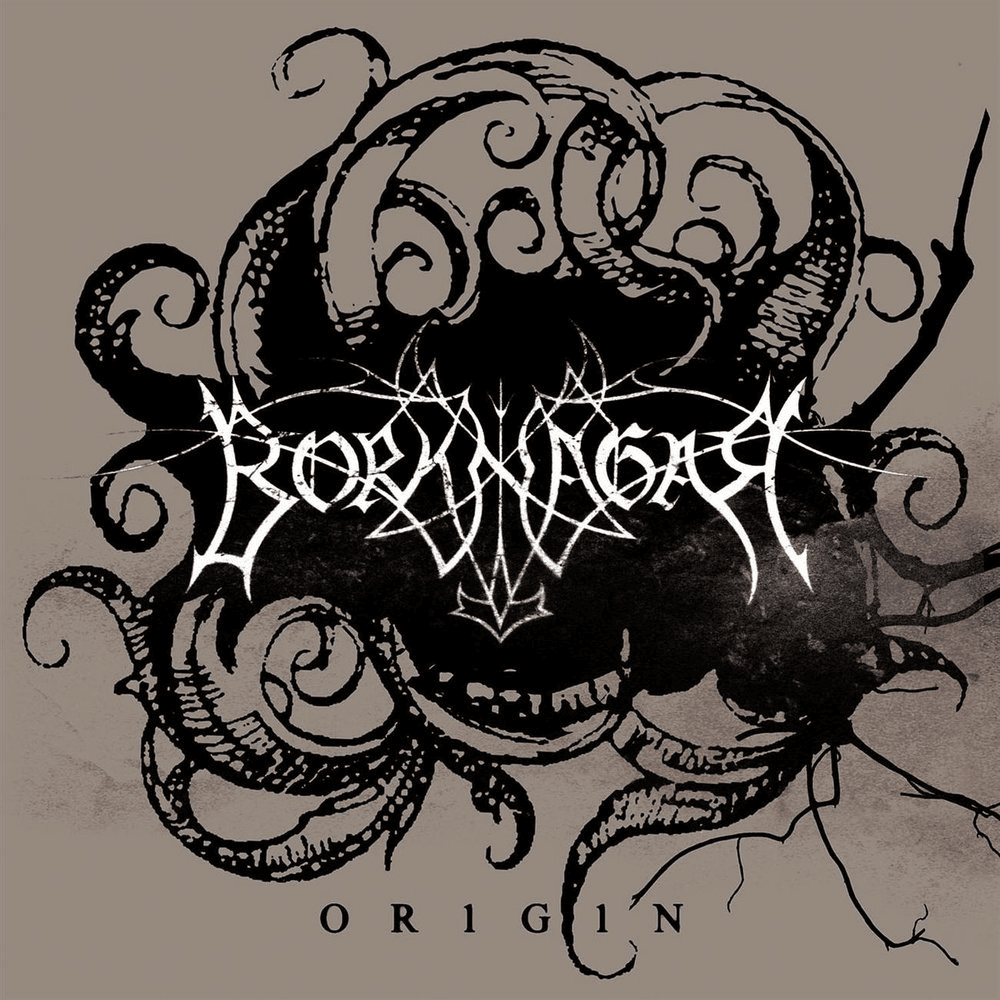
 View Artist