Song Meaning
The lyrics paint a somber picture of departure and loss, framed by the stark imagery of morning breaking and night receding. The narrator urges a "sister" to rise, a plea tinged with the inevitability of their own leaving. This isn't a cheerful awakening, but a necessary one, signaling the end of a shared time and the beginning of separation. The repeated phrase "A ja ću ti morati poć'" underscores this sense of unavoidable departure, a quiet resignation to what must be.
The core emotional tension lies in the narrator's attempt to console the "sister" while simultaneously revealing their own singular focus of affection. "Jednu sam imao u srcu ja / Sama je ostala" suggests a profound personal grief that overshadows the immediate situation, leaving the sister alone in her sorrow and perhaps the narrator as well, despite the plea to rise. This creates a poignant contrast between the outward call to action and the inward, unexpressed pain.
The most striking element is the juxtaposition of intimate personal grief with a distant, almost epic call to arms. While the narrator speaks of a lost love and a crying sister, the lyrics mention "A sa Triglava čuo se boj" – a battle cry from a distant mountain. This external conflict intrudes upon the personal drama, creating a disorienting sense of scale and urgency. The repeated "Jorlahi" could be interpreted as a lament or a ritualistic chant, further deepening the sense of sorrow and perhaps a plea for return.
Ultimately, the effectiveness of these lyrics stems from their stark simplicity and the emotional weight carried by understated phrases. The direct address, the simple commands to "Ustani" and "Ne plači," are imbued with a deep sadness. The final, desperate plea, "Vrati se jedini moj," shifts the focus entirely, revealing the true object of the narrator's lament and leaving the listener with a profound sense of unresolved longing and the echoes of a distant conflict.
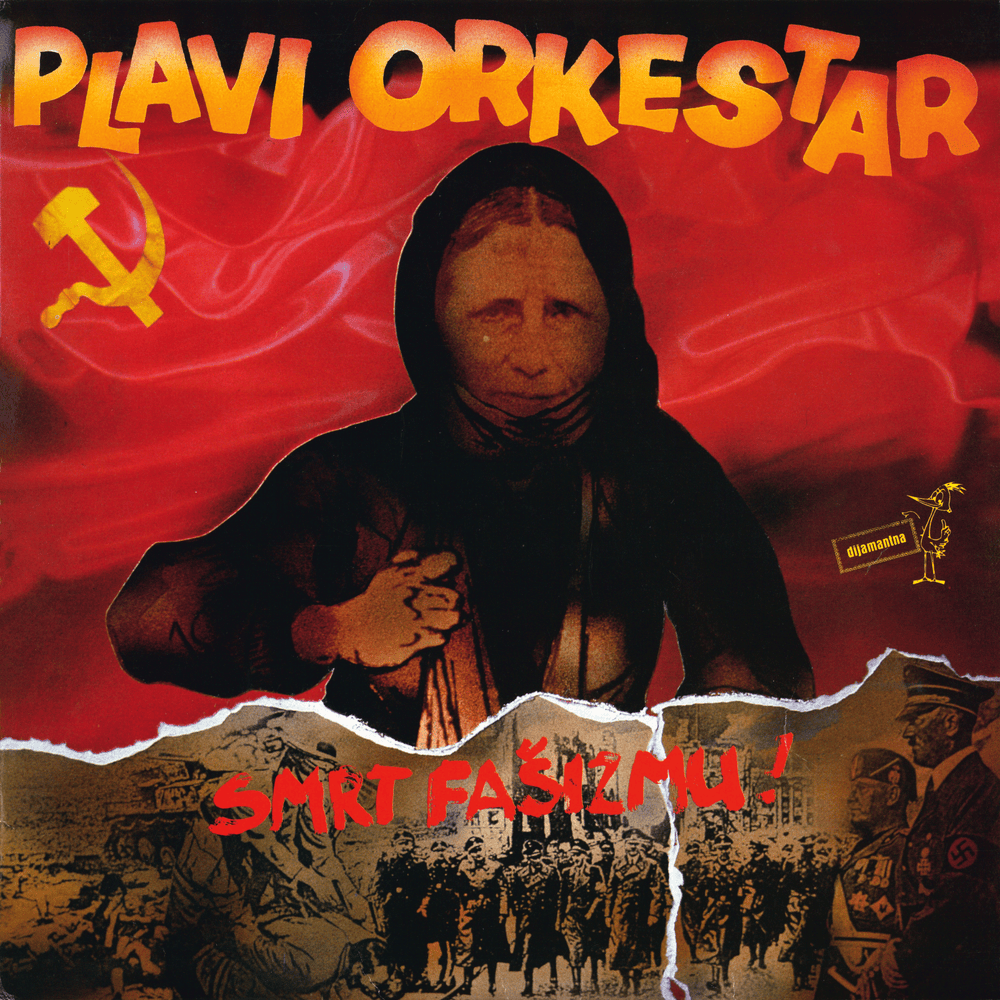
 View Artist