Song Meaning
The lyrics paint a stark picture of lingering disbelief and desperate hope after a relationship's apparent end. The narrator pleads for a sign, asking to be kissed in memory and for old friends to find their way back, suggesting a deep-seated need for connection. The core of the plea lies in the repeated assertion, "Ne vjerujem da me više ne voliš" (I don't believe you don't love me anymore), highlighting a refusal to accept the finality of the situation.
The central tension is the narrator's internal struggle against the perceived reality of separation. They believe the other person is still defiant, "Ti još uvijek sebi prkosiš" (You still defy yourself), implying a hidden affection or a struggle with their own feelings that prevents them from acknowledging the love that the narrator insists is still there. This internal conflict fuels the narrator's desperate attempts to bridge the gap, even resorting to asking for a lie: "Bar još jednom slaži da ti čujem glas" (At least once more, lie so I can hear your voice).
The most striking aspect of the craft is the relentless repetition of the central phrase, creating an almost incantatory effect. This insistence on disbelief, coupled with the conditional promises of return – "Spomeni me u molitvi i ja ću ti se vratiti" (Mention me in prayer and I will return to you) – underscores the narrator's fragile hold on hope. The imagery of melting snow and finding old friends suggests a desire to thaw a frozen situation and reconnect with a past where love was present.
Ultimately, these lyrics resonate because they capture the raw, often irrational, state of denial that can accompany heartbreak. The narrator's refusal to accept the end, their conviction that the other person is fighting their own feelings, and their willingness to cling to any sliver of hope, even a fabricated one, makes the plea feel intensely personal and achingly human. It’s the sound of someone trying to convince themselves as much as the other person that love hasn't truly died.
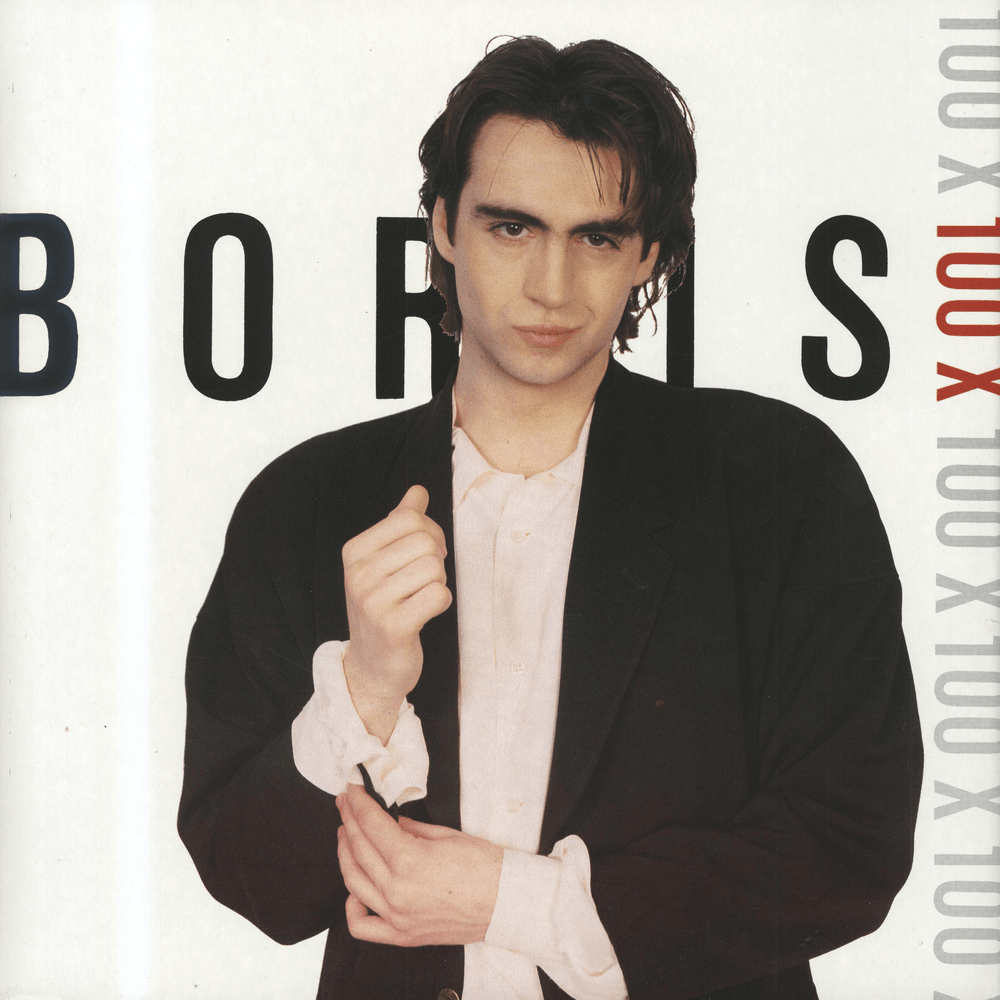
 View Artist