Song Meaning
The lyrics paint a stark picture of generational contrast, set against a somber urban backdrop. "When the city gets dark" and "the wind blows from the Neva," a figure named Ekaterina observes "young lions" passing by. These lions are depicted as blissfully unaware of hardship, embodying a carefree freedom that contrasts sharply with the narrator's implied weariness. They are presented as an unstoppable force, ready to enter when Ekaterina opens the door, suggesting a passive acceptance of their arrival.
The central tension lies in the narrator's resignation versus the unbridled ambition of the "young lions." The repeated question, "What do young lions need?" highlights their insatiable drive, especially as the world seems poised to surrender to them. The narrator, however, chooses not to resist, stating, "I won't say a word to them, I won't accept this fight, because it's not a fight." This passivity stems from a deep-seated fatalism, acknowledging that "everything done by us will remain bright" but also that "everything that was mine, someone else will take."
The most striking craft element is the recurring image of the "young lions" and Ekaterina's detached observation. The lions are a potent metaphor for a new, perhaps more aggressive, generation. Their ignorance of "winter" signifies their lack of experience with struggle, making their forward momentum seem both inevitable and slightly unnerving. The narrator's final observation, "So this is the taste of our victories, this is the green of our grass," delivered as the young lions continue to march, is laced with a profound sense of loss and relinquishment, suggesting that the fruits of past efforts are now merely fodder for the next wave.
This lyrical construction is effective because it taps into a universal feeling of watching a new era dawn, one that may not value or even acknowledge the struggles of the past. The narrator's quiet surrender, framed by the relentless march of the "young lions," creates a poignant emotional resonance. It's not about a direct conflict, but about the quiet, almost melancholic, passing of the torch, where the legacy of one generation is simply the ground upon which the next will build, or perhaps, conquer.
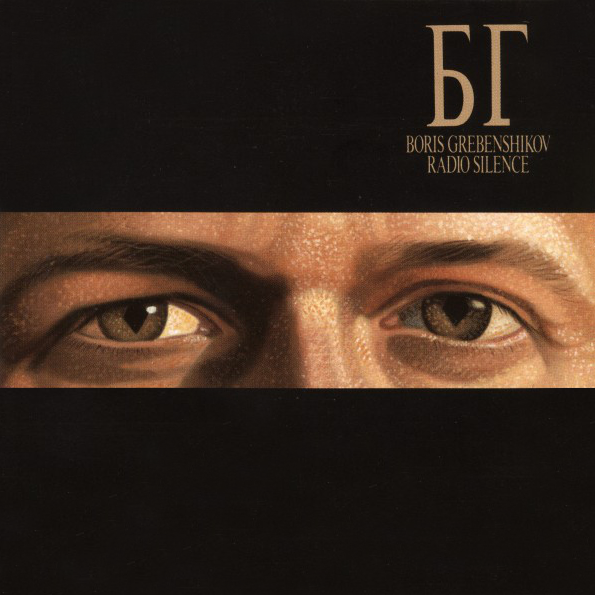
 View Artist