Song Meaning
The lyrics paint a stark picture of external pronouncements of doom and the narrator's defiant internal response. Initially, the world offers a bleak prophecy: "Ego, chto ty znal i hotel / A vot – dymokhod i truba / To, chto snilos' tebe – / Etogo net i ne budet." (What you knew and wanted / And here – a chimney and a pipe / What you dreamed of – / It won't exist and won't happen.) This sets a tone of predetermined failure, where aspirations are dismissed as impossible, and the narrator is told to accept their lot: "Ne sud'ba" (It's not fate/destiny).
The second verse deepens this sense of cosmic misfortune, describing a sky "crossed" by a meteor shower, but thankfully missing their lands where "bread is not born." The imagery suggests a world where even natural phenomena conspire against prosperity, and direct impact is to be avoided. Yet, the persistent refrain of "Ne sud'ba" lingers, implying an inescapable, destructive force that leaves behind an unquenchable flame, a testament to something that cannot be extinguished, even by fate.
The central tension explodes in the chorus, where the external world warns of an impending "storm that will tear / The very essence of being!" The narrator, however, offers a radical reinterpretation: "Mir, ty ne ponyal / Da, nadvigayetsya shtorm / Shtorm – eto ya" (World, you didn't understand / Yes, a storm is coming / The storm – it is me). This is a powerful assertion of agency, transforming the passive victim of fate into the active agent of chaos or change, a force that the world itself cannot comprehend.
This defiance is further solidified in the third verse, where the narrator declares "Net bol'she slyoz i sterty koleni" (No more tears and knees are worn away), indicating a point of no return and a shedding of past suffering. The weight of the forehead is too much to hold, and the "real us" were never truly present, only fleetingly. The idea of returning to "sunny light" is also framed as "Ne sud'ba," suggesting that even escape or redemption is not the predetermined path, reinforcing the narrator's self-created destiny. The lyrics masterfully use the repeated phrase "Ne sud'ba" to first represent external pronouncements of doom, and then, through the narrator's transformation, to signify a personal, self-determined, and powerful force that eclipses any external fate.
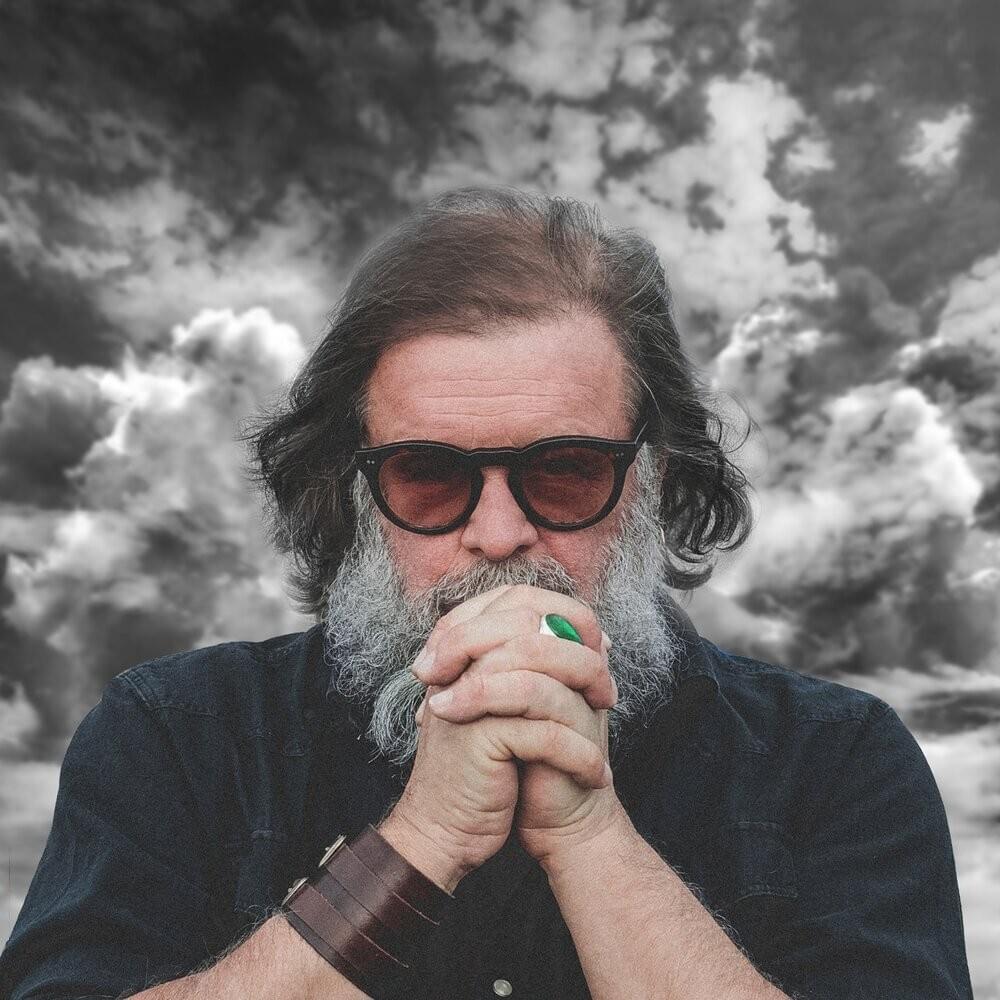
 View Artist