Song Meaning
The narrator paints a stark picture of their past, describing the "best years" as a period of intense struggle and isolation. The phrase "do or die" and the "lonesome cry" underscore a desperate fight for survival, amplified by the feeling of being unheard and the pain of prolonged absence from a place that offered no solace. This initial depiction sets a tone of hardship and profound loneliness, suggesting a difficult journey before finding any semblance of peace.
This struggle, however, fuels an unwavering ambition. The lyrics reveal a core belief: "nothing will ever make me stop." This relentless drive, persisting "through the good and bad," is presented as the engine for eventual triumph and the attainment of "glory." The narrator’s determination is framed not just as a personal quest, but as a necessary path to eventually finding that elusive "peace of mind" in the very place they once fled.
The central tension lies in the contrast between the past suffering and the present arrival. The repeated declaration, "I'm home again," acts as a powerful anchor, signifying a return after an extended, difficult period. This homecoming is presented as a resolution, a place "where I belong," which directly counters the earlier description of the "land I left behind" as a source of distress. The lyrics suggest that the journey itself, with all its strife, was a prerequisite for this ultimate sense of belonging.
The effectiveness of these lyrics stems from their directness and the clear emotional arc they establish. The simple, declarative chorus provides a strong emotional release after the detailed hardship of the verses. This juxtaposition of past pain and present relief creates a compelling narrative of resilience and the deep-seated human need for a place to call home, earned through significant personal trials.
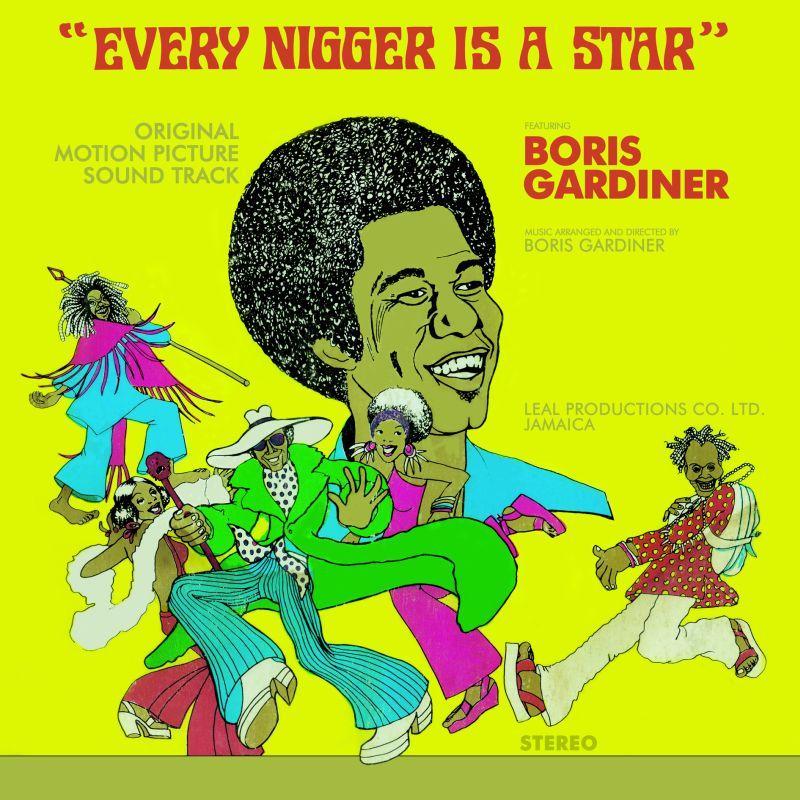
 View Artist