Song Meaning
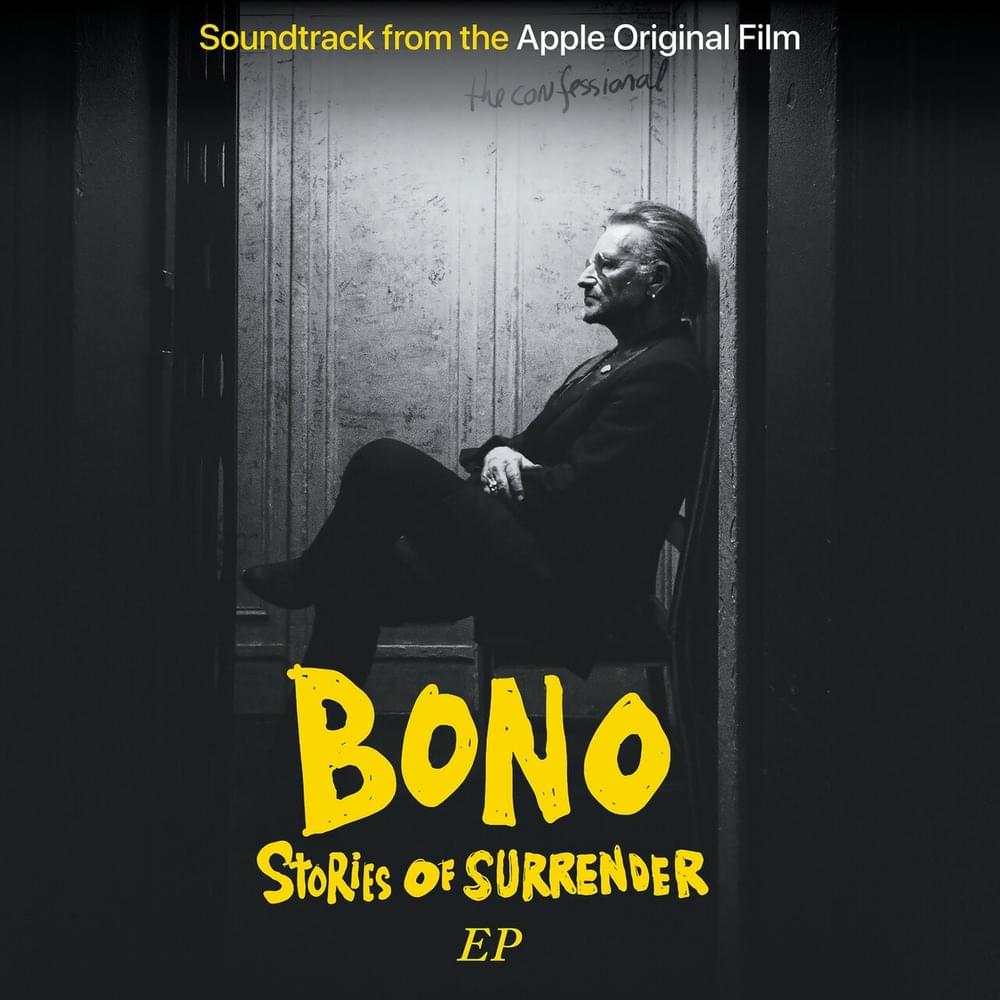
{"song_id": 13228368, "meaning": "Bono's reimagining of \"Sunday Bloody Sunday\" strips away the stadium rock bombast, revealing the song's raw, wounded core. This isn't an anthem; it's a prayer, a lament. The 'Stories Of Surrender' version exhumes the original's ghost, forcing a confrontation with the unending cycle of violence and the futility of sectarian conflict. Gone is the driving rhythm; in its place, a fragile vocal performance that underscores the lyrics' desperate plea. The opening lines, \"I can't believe the news today / I can't close my eyes and make it go away,\" land with renewed weight, less a statement of outrage than an admission of exhaustion. The listener is invited not to pump their fist, but to feel the weight of the world. This version emphasizes the personal toll of collective trauma, transforming a political statement into a deeply human expression of grief.
The repeated question, \"How long must we sing this song?\" morphs from a challenge to a weary resignation. It's a question posed not just to those perpetuating violence, but to ourselves, the listeners, complicit in our silence and inaction. The imagery of \"broken bottles under children's feet\" and \"bodies strewn across the dead end street\" remains as stark as ever, but the emotional landscape has shifted. This isn't reportage; it's a visceral experience of loss. Bono isn't just singing about the Troubles; he's embodying the collective sorrow of a community scarred by endless bloodshed. This rendition highlights the futility of violence, as the line suggests 'the real battle yet begun', implying that physical conflicts are distractions from deeper, spiritual struggles.
The most potent shift in this interpretation lies in its confrontation with faith. The rhetorical question, \"Is religion not the enemy of the holy spirit guide?\" cuts to the quick, indicting the role of religious dogma in fueling conflict. This isn't a simplistic condemnation of faith itself, but a challenge to the ways in which religious institutions can be weaponized to justify violence and division. It's a mature, nuanced understanding of the complexities of faith and its relationship to power. The final line, \"Where is the victory Jesus won?\" lingers in the air, unanswered, a haunting reminder of the unfulfilled promise of peace and redemption. This \"Sunday Bloody Sunday\" isn't a call to arms, but a call to conscience, a plea for empathy in a world desperately in need of healing. This lyrics analysis reveals a song that is as relevant today as it was upon its initial release."}
 View Artist