Song Meaning
These lyrics paint a stark picture of love's destructive power, detailing a relationship where one person gives everything and receives only pain. The narrator acknowledges the clear signs of an unhealthy dynamic yet remains hopelessly entangled. It's a raw confession of enduring affection despite profound suffering.
The central tension emerges immediately in the intro: the narrator offers sound advice—"When you just give love and never get love / You'd better let love depart"—only to immediately contradict it with their own experience: "I can't get you out of my heart." This sets up the tragic paradox that defines the entire piece: knowing what's right, but being utterly unable to follow through. The subsequent verses then catalog the specific, devastating costs of this unshakeable devotion, from losing a "happy home" to the irreversible feeling of never being "the same."
The craft here lies in its unflinching honesty and the stark contrast it draws. The bridge, in particular, cuts deep, laying bare the partner's inconsistent behavior: "You love me then you snub me." This push-pull dynamic, coupled with the narrator's resigned "what can I do when I'm still in love with you," perfectly encapsulates the powerlessness of being caught in a manipulative cycle. The repetition of "Since I fell for you" acts as a mournful refrain, cementing the idea that this single event is the origin point of all subsequent misery.
Ultimately, these lyrics are effective because they tap into a universal, albeit painful, human experience: the struggle to reconcile what the heart wants with what the mind knows is harmful. The direct language and specific, tangible losses—a home, peace of mind, hope for the future—make the emotional impact immediate and profound, leaving the listener with a sense of the narrator's inescapable sorrow.
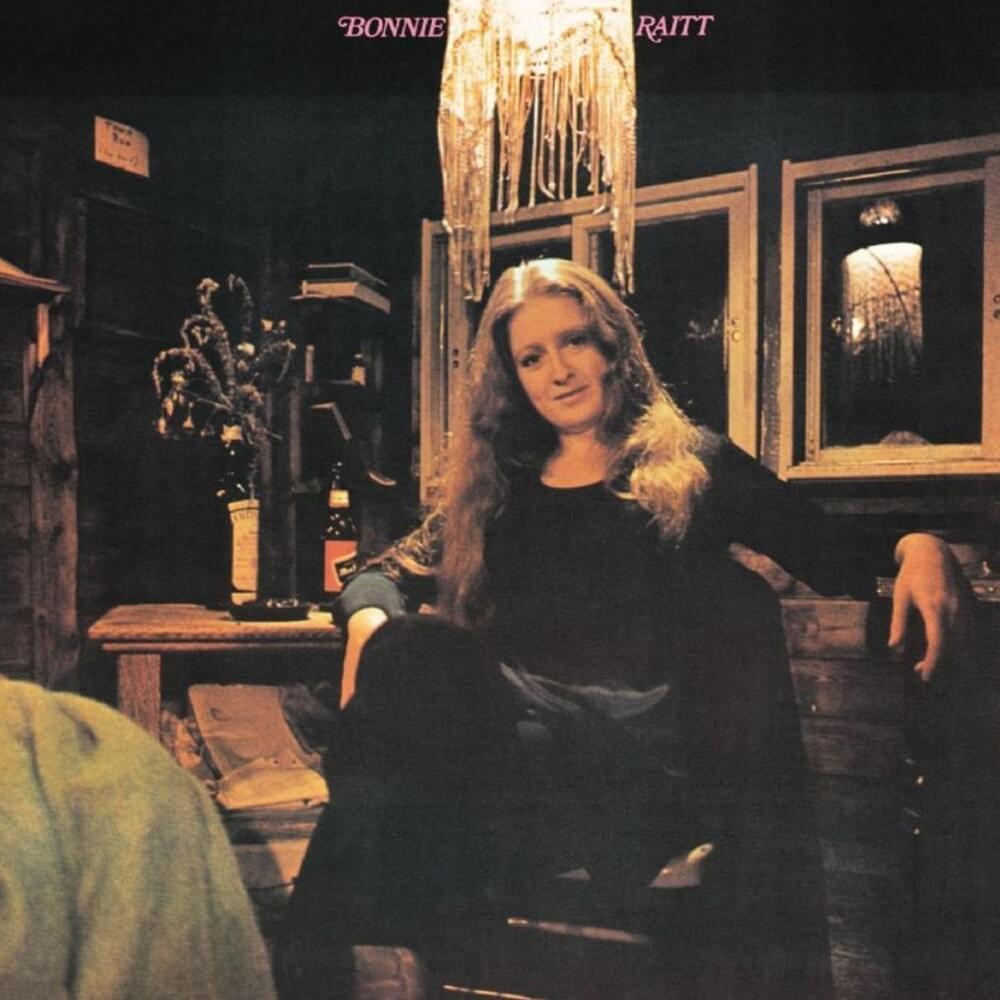
 View Artist