Song Meaning
The narrator lays bare a painful realization: the love is gone. There's a stark finality in the repeated "no more," a simple, blunt admission that cuts through any lingering hope. The immediate aftermath is a desire to avoid further pain, a protective instinct kicking in after what feels like a prolonged emotional struggle. The narrator acknowledges the depth of their own past affection, stating "I've loved so hard," but this intensity now feels like a burden rather than a source of joy.
The central tension arises from the narrator's attempt to reconcile their past devotion with the present reality of rejection. The phrase "if I can't / Love you right, baby / I don't have to love you at all" reveals a complex emotional logic. It suggests that the inability to fulfill the relationship's demands, or perhaps a perceived failure in their own loving, leads to a complete withdrawal. This isn't about spite, but a self-preservation tactic born from deep hurt.
The most striking aspect is the raw, almost childlike phrasing, particularly "wanna be hurted any more." This grammatical imperfection lends an authentic vulnerability to the confession, making the pain feel immediate and unfiltered. The contrast between the narrator's past "loved so hard" and the present "put me down" highlights the devastating shift in their dynamic. The final lines, "Ain't no use in me hanging around," underscore the practical consequence of this emotional conclusion.
This is effective because it avoids melodrama, opting instead for a direct, almost conversational recounting of a relationship's end. The repetition of "no more" acts like a drumbeat, emphasizing the inescapable truth. The narrator's decision to disengage, framed as a logical response to being "put down," feels earned by the preceding lines about past love and present pain, creating a powerful, albeit somber, resolution.
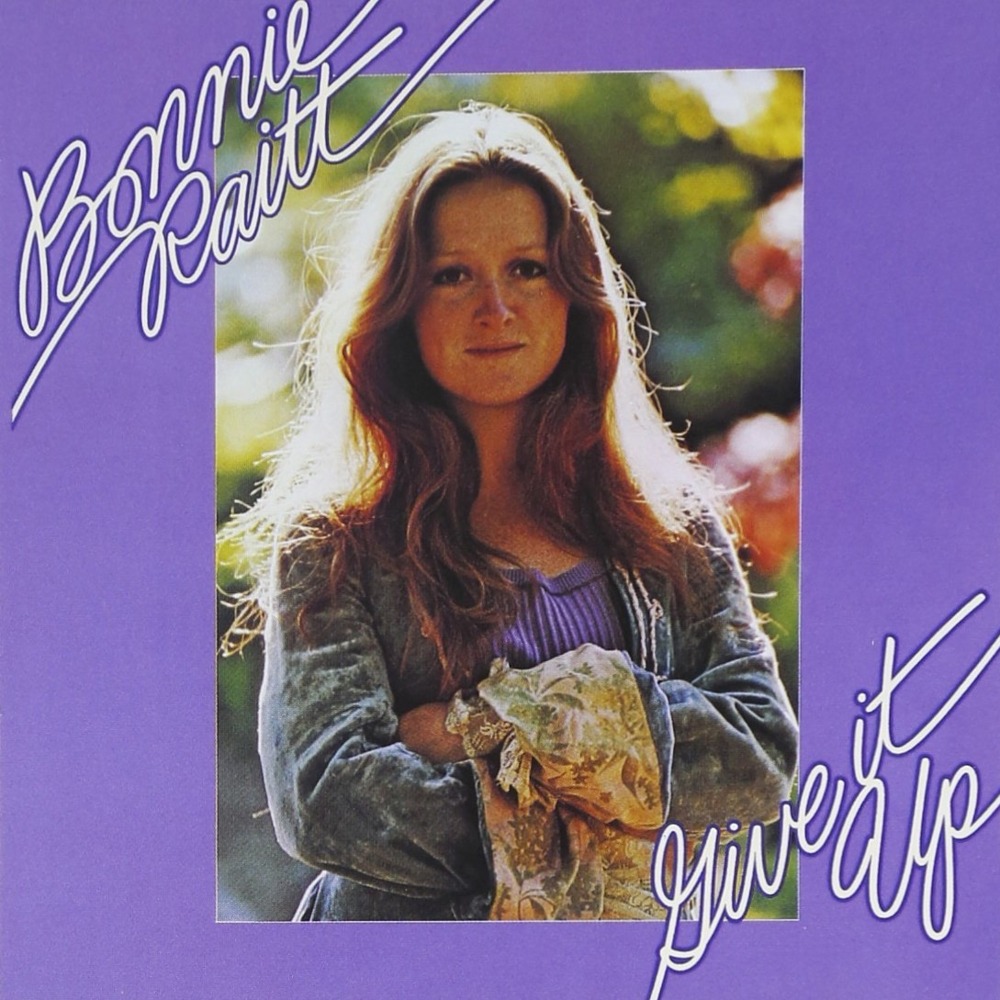
 View Artist