Song Meaning
The lyrics paint a stark, almost nihilistic picture of inherent corruption in both love and the self. The opening lines immediately establish a tone of pervasive stain and taint, suggesting that purity is an illusion. Images like "red hole" and "black door" evoke a sense of dread and finality, while the desire to "take colors all away" and "shit on every flower" points to a destructive impulse that seeks to obliterate beauty and joy. This isn't just about personal sadness; it feels like a commentary on a fundamental flaw within existence itself.
The central tension arises from the desperate, almost perverse, plea to "make it not an evil mark." This phrase, repeated with variations like "make it good" and "make it silly," seems to grapple with the unavoidable darkness. The narrator acknowledges the destructive urge, even inviting it "onto her face," but simultaneously begs for it to be somehow neutralized, to be "lessened by the dark" rather than defined by it. It’s a complex desire to acknowledge and even embrace the negative, but to strip it of its malicious power.
The most striking aspect of the craft is the meta-commentary on art itself. The lines "Laugh about it / We sing in a tradition / After all, it's song / It is not an action" create a fascinating separation between creative expression and real-world consequence. The narrator seems to find solace, or perhaps a justification, in the idea that singing about darkness, even destructive urges, doesn't make them real actions. The act of singing and the act of listening are framed as the only "deed" and "complicit" acts, suggesting that art can contain and process these "evil marks" without enacting them.
This lyrical approach is effective because it confronts uncomfortable truths head-on, using visceral imagery to convey a sense of inevitable decay. The twist comes in the assertion that art – specifically song – can act as a buffer, a space where these dark impulses can be processed and perhaps even rendered less potent. The final lines, "You'll die in the dark with me / And we'll sing for the sun's visit," offer a glimmer of shared experience and a hopeful, albeit dark, anticipation of eventual light, all contained within the act of singing.
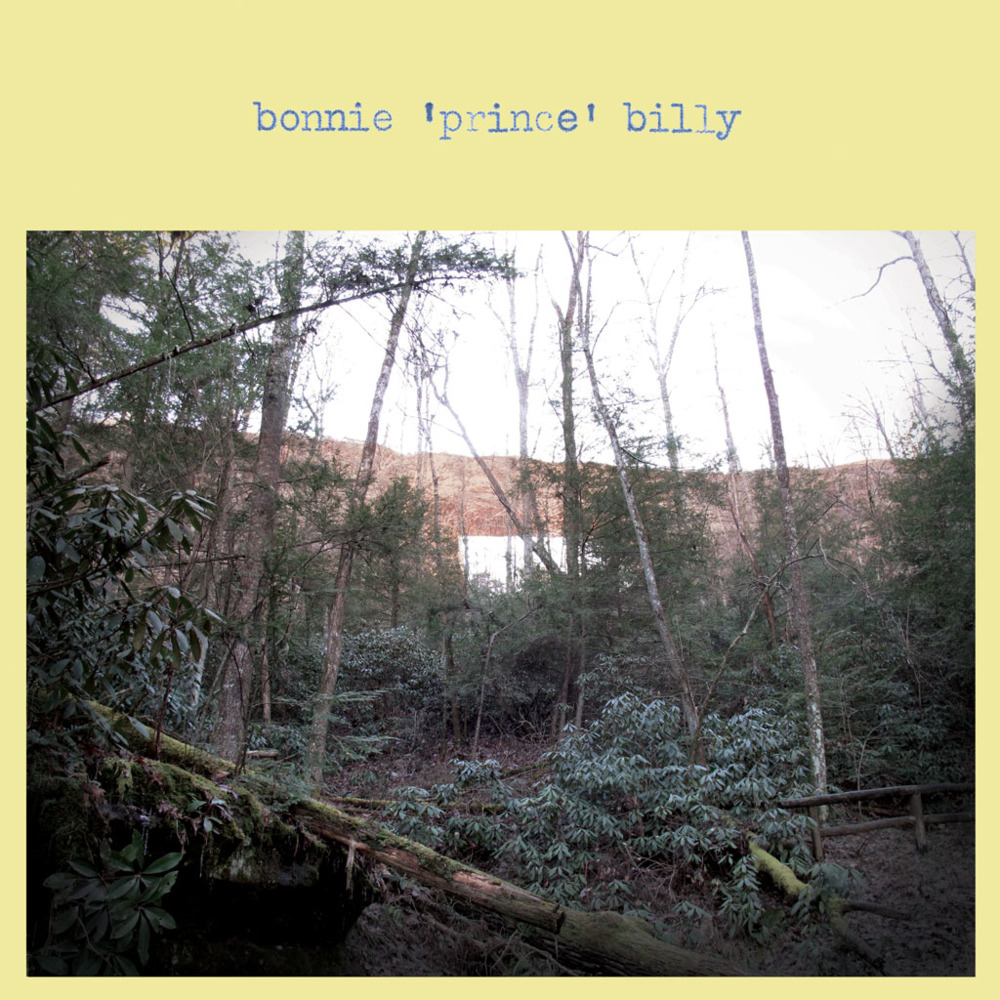
 View Artist