Song Meaning
The narrator opens with a disarming, almost childlike, plea: "I want to be your only friend." This desire is immediately complicated by a parenthetical "Is that scary?" suggesting an awareness of its unsettling implications. The lyrics quickly pivot to a darker internal landscape, warning against "silent thoughts" where "the seed of soul-sucking grows." This sets up a central tension between a yearning for exclusive connection and a self-awareness of potentially destructive inner impulses.
The core conflict emerges from the narrator's possessive, almost predatory, desire to shield the other person from external influences. They observe that "each who comes around you / Takes some of your light," a sentiment that fuels their anger and "fright." This possessiveness is further complicated by a confusing, almost Oedipal, dynamic where the narrator wishes the other were their daughter yet simultaneously wanted them as a mother. This tangled desire highlights a deep-seated need for both nurturing and control, a complex emotional knot.
The most striking aspect of the craft is the stark contrast between the stated desire for closeness and the inability to achieve it. The imagined scene of "lounging, just sitting and listening / And loving what we hear" is immediately undercut by the admission, "That has never happened." The repeated phrase "We flail too much to let the other near" powerfully illustrates this self-sabotaging dynamic. It’s not just external forces keeping them apart, but an internal, shared inability to connect, a mutual "flailing."
Ultimately, the lyrics are effective because they articulate a raw, uncomfortable truth about codependency and self-destructive tendencies within relationships. The narrator’s warning, "Beware of me," coupled with the final, ambiguous release of "And from this thing we have been freed," suggests that acknowledging these dark impulses, even if they remain unresolved, is a form of liberation. The writing captures the unsettling feeling of wanting to be close to someone while simultaneously recognizing the danger you pose to them, and perhaps to yourself.
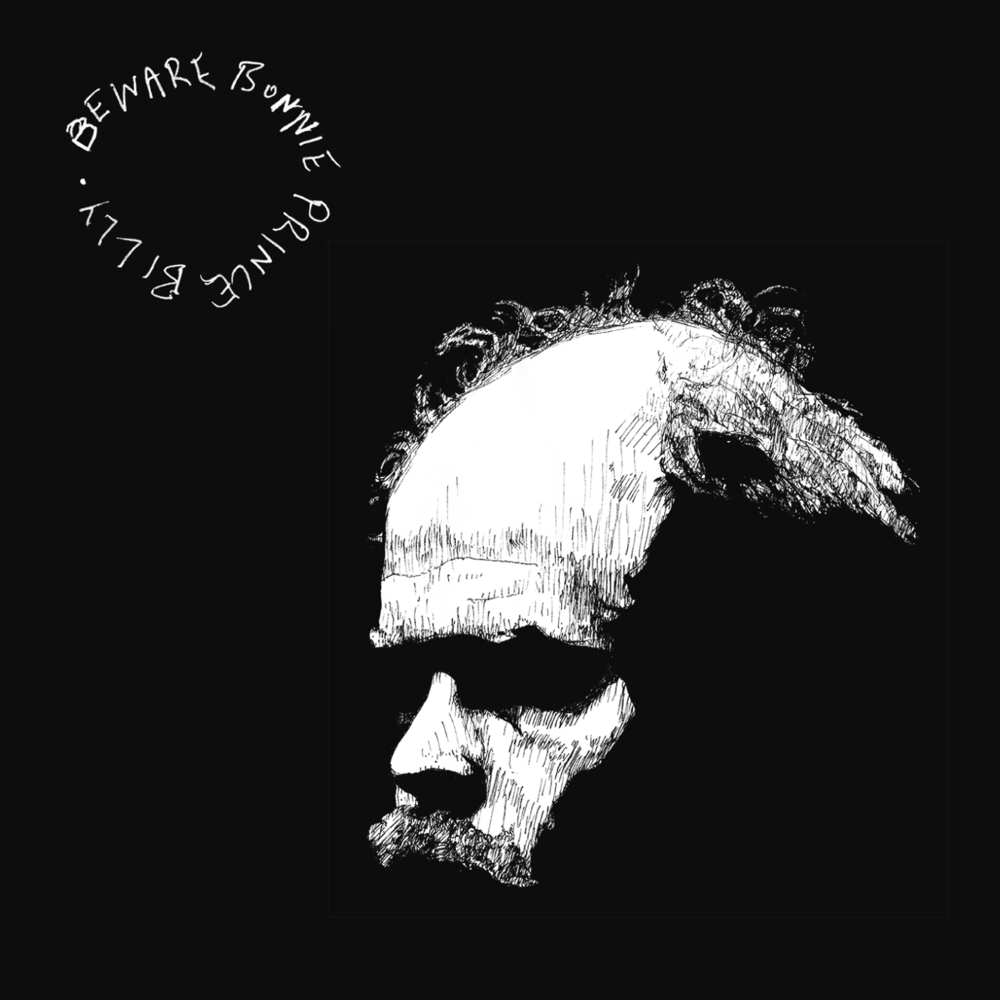
 View Artist