Song Meaning
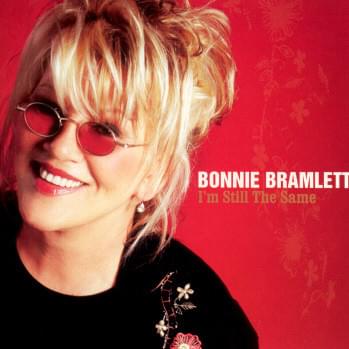
Bonnie Bramlett’s "Hurt" isn't just a lament; it’s a raw, exposed nerve of vulnerability. Stripped down to its emotional core, the song meaning revolves around the paradox of enduring pain inflicted by someone you still deeply love. The lyrics cut straight to the chase: betrayal stings ("Hurt to think that you lied to me"), and the promise of forever shattered is a heartbreak all too familiar. Yet, the genius of "Hurt" isn't simply wallowing in despair; it’s the defiant, almost unbelievable, assertion of unwavering empathy.
The song explores the psychological depths of heartbreak. It's not just about the immediate pain of the breakup; it’s about the deeper wound of shattered trust and the agonizing realization that the future you envisioned has been irrevocably altered. Bramlett's vocal delivery, presumably, underscores the raw honesty in lines like "You said your love was true and we'd never part,", making the subsequent blow of rejection all the more devastating. The repetition of "Hurt" emphasizes the cyclical nature of grief, the way the pain resurfaces in waves, triggered by memories and the constant reminder of what's been lost.
What elevates "Hurt" beyond a simple heartbreak ballad is the final, almost unbelievable declaration: "But even though you've hurt me like no one else could do / I would never, never hurt you." This isn't a statement of moral superiority, but a testament to the enduring power of love, even in its most damaged form. It suggests a profound capacity for forgiveness and an understanding that inflicting pain, even in retaliation, would ultimately be a self-inflicted wound. The song, therefore, becomes a study in emotional resilience, a refusal to succumb to bitterness, and a testament to the enduring strength of the human heart, even when it's breaking.
 View Artist