Song Meaning
The lyrics paint a stark picture of a hometown steeped in decay and disillusionment. The narrator returns, asserting a raw, unvarnished identity forged in hardship. There's a palpable sense of defiance against external judgment and a rejection of conventional aspirations, emphasizing a life lived on the fringes. The opening lines immediately establish a grim, cyclical existence: "Sleep where you sleep and you die where you born." This sets a tone of fatalism and rootedness in a place that offers little hope.
The central tension arises from the narrator's complicated relationship with this environment and the people within it. There's a deep-seated disdain for the superficiality and transactional nature of the town, where "Everything cash, from the views to the drugs." This breeds a cynical outlook, reflected in the lines, "Looking at the world only way they know how / Throw away the time 'til they throw you in the ground." The narrator distances themself from this, yet their return and aggressive pronouncements suggest an inescapable connection to this bleak reality.
A striking element is the aggressive, almost nihilistic pride the narrator displays. The imagery of "Shaved hair running through the snow, boy with the frostbit skull" evokes a harsh, unforgiving existence. This is contrasted with the triumphant return: "the young white mac came back with the flow." The lyrics also highlight a fierce protectiveness of their unique artistic identity, stating, "Try to take sound but you can't take style / Can't replicate nothing that we done." This suggests a creative authenticity that the narrator believes is inimitable, even as they acknowledge the town's corrupting influence.
Ultimately, these lyrics resonate because of their unflinching portrayal of alienation and defiant self-creation. The raw language and confrontational tone cut through any pretense, offering a glimpse into a world where survival and authenticity are paramount. The narrator's rejection of external validation and their embrace of a harsh reality create a powerful, albeit bleak, sense of self-possession. The repeated emphasis on what cannot be taken—style, sound—underscores a core belief in an inner strength that transcends material or societal pressures.
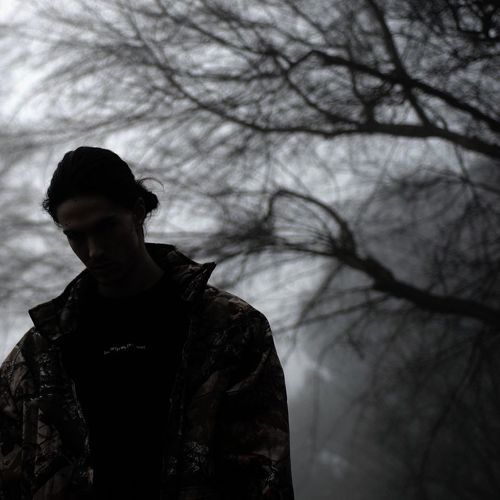
 View Artist