Song Meaning
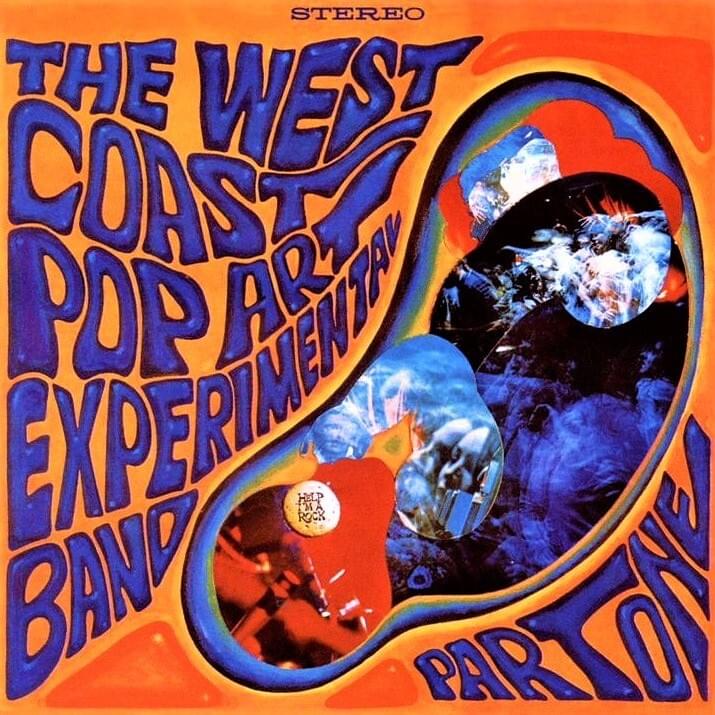
The lyrics paint a picture of someone who has endured significant hardship, declaring they've "lost all of my pride" and been "to Paradise and out the other side." This journey, undertaken "with no one to guide me," has left them "torn apart" by an internal "fiery will." Despite this internal turmoil, the repeated, almost desperate, refrain of "I won't hurt you" suggests a profound commitment to not inflicting pain on another, perhaps as a direct response to their own suffering or a fear of their own destructive potential.
The central tension lies between the narrator's evident inner struggle and their outward promise of gentleness. They describe themselves as "an untouched diamond," brilliant even without external light, and see the object of their affection as a celestial being with a "mouth's a constellation" and "stars are in your eyes." This elevates the other person to an almost divine status, someone worth pursuing via "spaceship," implying a desire to transcend ordinary limitations to reach them. Yet, the narrator's own admission of being "torn apart" and their plea to be "strike me with your lightning" suggests a self-destructive tendency or a deep-seated pain they are trying to manage.
The most striking craft element is the juxtaposition of cosmic, almost ethereal imagery with raw, visceral descriptions of internal conflict. The idea of a "fiery will" tearing someone apart contrasts sharply with the serene, distant beauty of "untouched diamond" and "constellation." This creates a sense of immense internal pressure. The repeated "I won't hurt you" acts as an anchor, a mantra against the chaos described, but its sheer repetition, especially in the extended final chorus, starts to feel less like a simple promise and more like a desperate plea or a battle cry against an overwhelming internal force.
These lyrics resonate because they capture the complex vulnerability of someone who has been through the wringer but desperately wants to protect another from harm, or perhaps protect them from themselves. The contrast between the narrator's internal chaos and their external vow creates a palpable sense of yearning and a fragile hope. The writing effectively uses grand, almost fantastical imagery to underscore the intensity of both the narrator's pain and their devotion, making the simple promise "I won't hurt you" feel loaded with immense emotional weight.
 View Artist