Song Meaning
The narrator opens with a stark admission of a mistaken belief: "No sé por qué / Imaginé / Que estábamos unidos." This initial delusion offered a fleeting comfort, a sense of "mejor" (better), but the reality quickly crashes back in. The immediate contrast between this imagined unity and the present "tan solo en la vida" (so alone in life) sets a tone of profound isolation and disillusionment. The repeated phrase "me voy" (I'm leaving) becomes a desperate, almost resigned, refrain.
The core tension arises from the painful gap between past hope and present reality. A "viejo blues" (old blues) triggers a cascade of memories, specifically of "mi primer amor" (my first love), suggesting a longing for simpler, perhaps more authentic, connections. Yet, these memories only serve to amplify the current solitude, reinforcing the feeling of being "tan solo en la vida." The music itself, the "blues," becomes a catalyst for recognizing this loneliness.
The most striking element is the relentless repetition of "Que mejor me voy." This isn't just a statement of departure; it's an expression of defeat, a conclusion drawn from the overwhelming weight of solitude. The repetition hammers home the narrator's perceived lack of options, turning a potential choice into an inevitable exit. It suggests that leaving is the only perceived path to any form of relief, however bleak.
This lyrical construction is effective because it mirrors the cyclical nature of despair. The simple, direct language avoids complex metaphors, making the raw emotion of loneliness palpable. The progression from a mistaken belief to memory-induced sorrow, culminating in the repeated, almost mantra-like, desire to leave, creates a powerful portrait of someone overwhelmed by their own isolation.
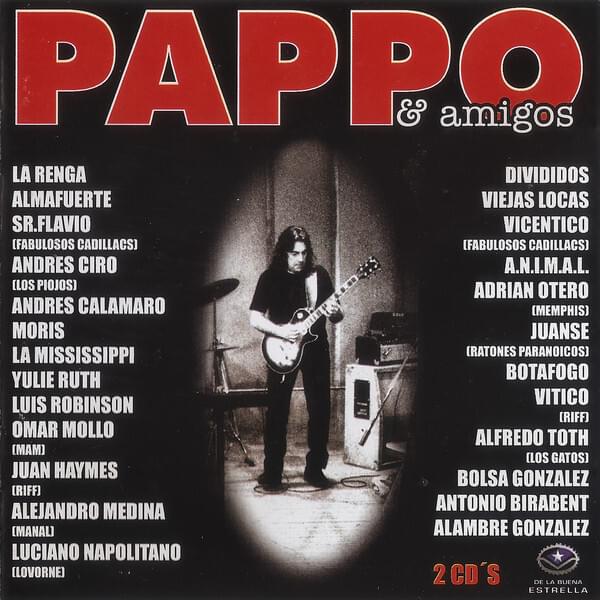
 View Artist