Song Meaning
The lyrics launch a direct assault on the idea of mandatory military service, framing it as an outdated and unwanted imposition. The narrator rejects the notion that they can be forced into it, stating, "Ya no te pueden obligar quieren, ahora nos quieren convencer." This isn't just about saying no; it's about recognizing a shift where persuasion replaces coercion, but the underlying intent remains suspect. The repeated chant, "Aki!!! presupuestos militares, para cervezas en los bares," immediately juxtaposes the perceived waste of military spending with the simple, everyday pleasures of social life.
The core tension lies in the stark contrast between the state's priorities and the people's desires. The lyrics argue that military budgets, which fuel global conflict and misery, should instead be redirected towards tangible social benefits like schools and community centers. The phrase "Ellos provocan los conflictos, gracias a estos la miseria mundial" directly blames the military-industrial complex for perpetuating poverty and war, highlighting a cynical system that profits from arms sales even to nations lacking basic necessities.
The most striking rhetorical device is the relentless repetition of the demand to reallocate military funds. This isn't just a suggestion; it's a rallying cry, a demand for a fundamental shift in societal values. The lyrics propose a radical reordering: "presupuestos militares, para gastos escolares" and "presupuestos militares para los centros sociales." This direct comparison underscores the perceived absurdity of prioritizing weapons over education and community well-being, painting a picture of a world that is deliberately made "mucho más cabrón" by its leaders.
Ultimately, the effectiveness of these lyrics stems from their bluntness and the clear, relatable alternative they present. By contrasting the abstract, often violent, machinery of war with the concrete, communal warmth of bars and social centers, the narrator taps into a widespread frustration with misplaced priorities. The simple, almost childlike chant of "La, Lara, lara, laralala!!!" at the end feels like a defiant, hopeful, and perhaps slightly weary, expression of a desire for a more peaceful and grounded existence.
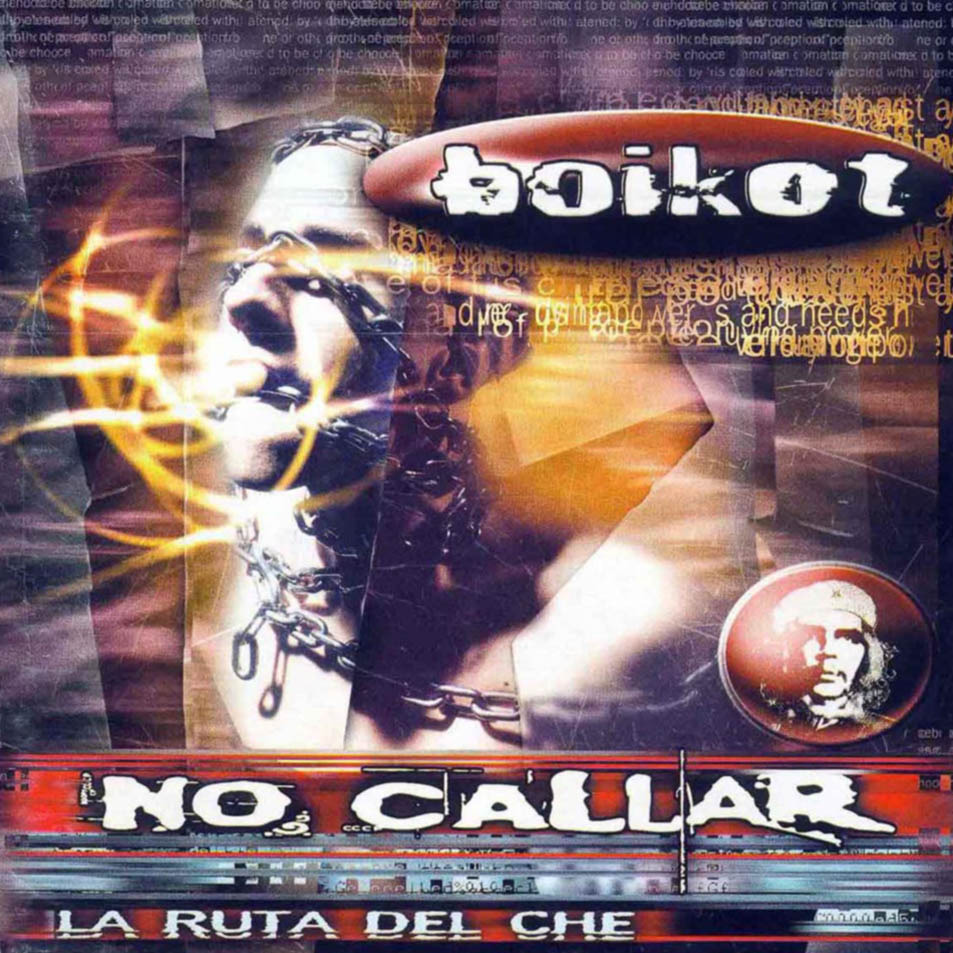
 View Artist