Song Meaning
The lyrics paint a stark picture of urban unrest and societal division. We open on a street where a young person has died from drugs, immediately followed by news of a terrorist attack in the neighborhood. This sets a tone of pervasive danger and chaos, suggesting a community under siege from multiple threats.
The central tension arises from a perceived external force targeting the narrator and their community. The line "Pero a ti y a mí nos quieren detener" (But they want to stop you and me) implies a specific, targeted opposition. This is contrasted with the disconnect of the "burgués" (bourgeoisie), who "nunca entenderás / Los problemas de la calle" (will never understand / the problems of the street), highlighting a class-based alienation and a feeling of being misunderstood or unfairly targeted by those in power.
The most striking element is the sharp dichotomy drawn between the harsh realities of street life and the perceived ignorance of the privileged. The lyrics assert that "Los problemas de la calle / No son de los demás" (The problems of the street / are not for others to deal with), emphasizing a sense of ownership and isolation over these struggles. This suggests that the issues are deeply ingrained and perhaps deliberately ignored by those outside the immediate experience.
This lyrical construction effectively conveys a feeling of being trapped and misunderstood. The juxtaposition of widespread tragedy (drug death, terrorism) with the specific threat of being "detener" (stopped) creates a potent sense of injustice. The narrator's voice carries a defiant weariness, drawing a firm line between lived experience and external judgment.
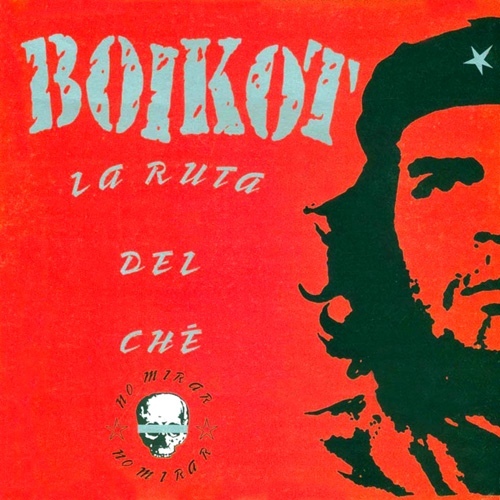
 View Artist