Song Meaning
This track erupts with defiance against a brutal, unseeing system. The immediate scene is one of violent assault by "fascists in pandilla," but the focus quickly shifts to the injustice that follows, with victims detained while perpetrators are ignored. The dominant tone is one of righteous anger and an unwavering refusal to be silenced.
The core tension lies between the physical violence inflicted and the systemic, legal "aggressions" that perpetuate suffering. The lyrics highlight a profound disconnect: "Quien hizo la ley nunca la entendió" (Whoever made the law never understood it), suggesting a fundamental flaw in the justice system itself. This creates a powerful sense of being trapped, where the very institutions meant to protect are complicit in the oppression.
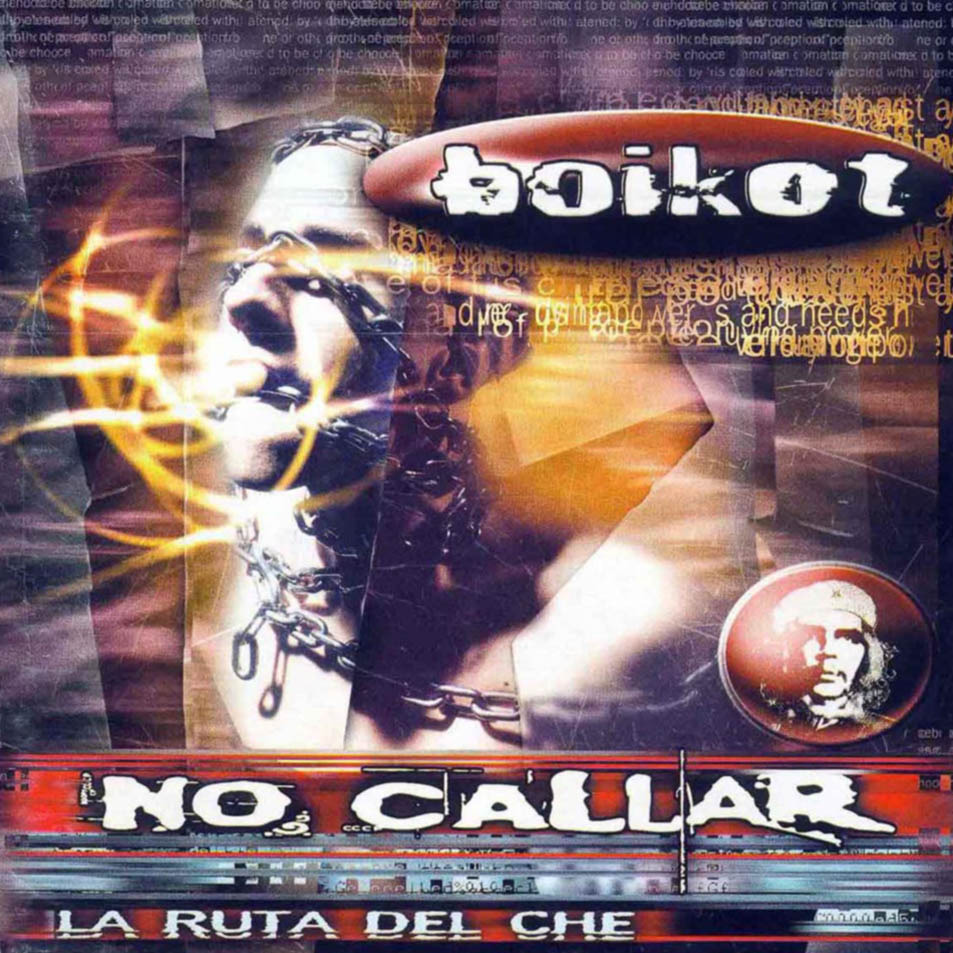
The repeated phrase "no nos vamos a callar" (we are not going to be silent) acts as a defiant anthem, a constant assertion of agency against overwhelming force. This refrain underscores the determination to resist, even when facing "tortura la opresión" (torture, oppression). The image of standing "frente a esa pared que debemos derribar" (in front of that wall we must tear down) is a potent metaphor for confronting and dismantling the barriers to freedom and justice.
What makes these lyrics so impactful is their raw, unvarnished declaration of resistance. By grounding their anger in specific grievances – the "agresión por fascistas," the "personas en la carcel," the "justicia ciega" – the narrator builds a case for their refusal to yield. The unwavering commitment to shouting "libertad" (freedom) in the face of such adversity transforms a personal experience of violence into a collective call for liberation.
 View Artist