Song Meaning
The lyrics paint a stark picture of division and neglect, setting up a clear dichotomy. We're presented with "brothers to the left" and "brothers to the right," with "no one left in between," suggesting a society fractured and polarized. This immediate sense of separation is amplified by the warning that dwelling on the past or future can lead to an unacknowledged emotional toll, where "the heart it goes sight unseen."
The core tension arises from the inability or unwillingness of individuals to address immediate suffering. The lines "He'd like to but he can't" and "She looks the other way" highlight a collective paralysis or apathy in the face of need. This inaction leaves the most vulnerable – the "homeless," the "crippled," the "hungry" – without the basic support they require, creating a palpable sense of urgency and despair.
The most striking element is the shift towards a hopeful, albeit conditional, resolution: "If we / Can learn to live again... We can become hand in hand." This refrain offers a path forward, suggesting that mutual understanding and collective action are the antidotes to the prevailing division. The repetition of "Yes we can" echoes a powerful call to agency, urging a conscious choice to bridge the gaps.
Ultimately, the effectiveness of these lyrics lies in their direct, unadorned portrayal of societal ills and their simple, yet profound, proposed solution. The narrator's personal reflection, "I'm sittin' here with myself," grounds the grander message in individual accountability, implying that the change begins with self-awareness before it can extend to communal solidarity.
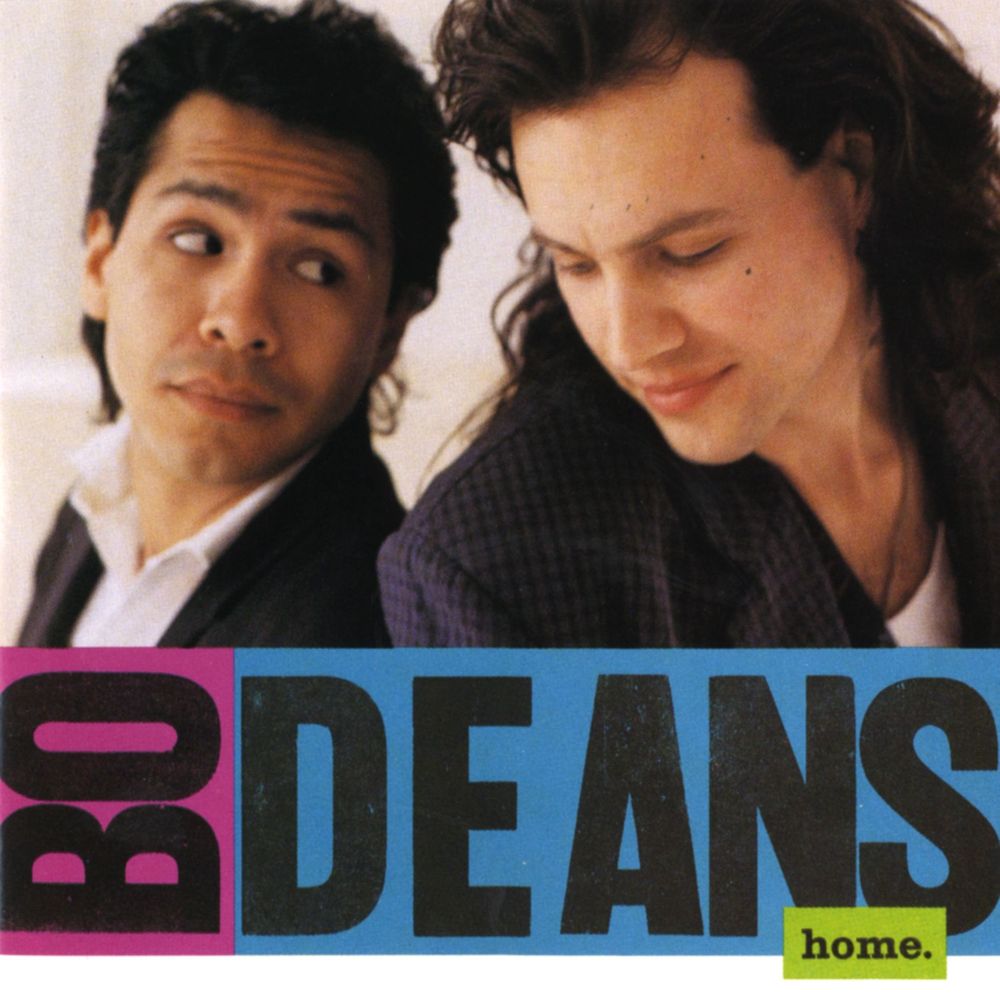
 View Artist