Song Meaning
The lyrics paint a stark picture of a world steeped in decay and contradiction, where life and death are unnervingly intertwined. The narrator observes a pervasive sense of unease, noting how "the look that holds walks free / The look that frees walks bound." This inversion of expectations sets a somber tone, suggesting a reality where normal order is reversed, and appearances are deeply deceptive. The recurring phrase "Ê, Minas" hints at a specific place or state of being, a backdrop against which this disarray unfolds.
The central tension arises from the narrator's personal entanglement amidst this bleak external landscape. Despite the overwhelming sense of despair and the world being "marked / With iron, fire, and scorn," the narrator finds themselves drawn into a complex personal connection. This connection is described through vivid imagery: getting "tangled / In the braids of your desire," getting "lost / In the webs of your secret," and finally "coiled up / In the ropes of your hair." These phrases suggest a powerful, perhaps overwhelming, attraction that ensnares the narrator, offering a personal escape or complication from the broader societal decay.
The most striking craft element is the persistent juxtaposition of life and death, often through the motif of the "look" and the imagery of threads and weaving. Life is described as "a thread of time," while death is "the end of the skein." This metaphor is amplified by the idea that "death weaves its thread / Of life turned inside out." The contrasting descriptions of gazes – "the look that scares walks dead / The look that warns walks lit" – further emphasize this theme of inversion and hidden realities. The repeated act of the narrator getting "enredado" (tangled/ensnared) highlights how personal relationships become a focal point within this chaotic existence.
Ultimately, these lyrics resonate because they capture a profound sense of disillusionment with the external world while simultaneously exploring the magnetic pull of intimate connection. The writing effectively uses sharp contrasts and consistent metaphors of entanglement to convey how personal desires and secrets can become both a refuge and a trap within a world that feels fundamentally broken. The narrator's repeated declaration, "I'm going / I'm going far away," juxtaposed with their inability to escape the personal "enredo," creates a powerful emotional arc of conflicted longing and inescapable attachment.
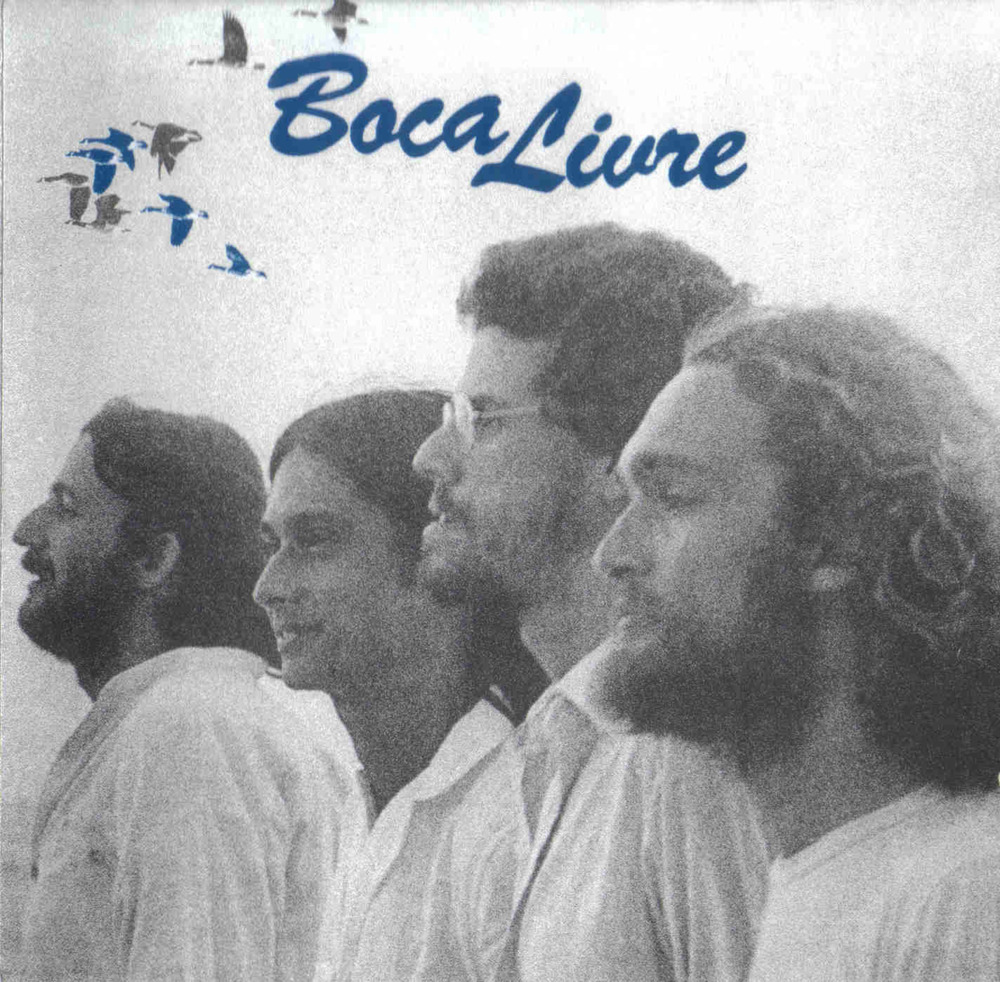
 View Artist