Song Meaning
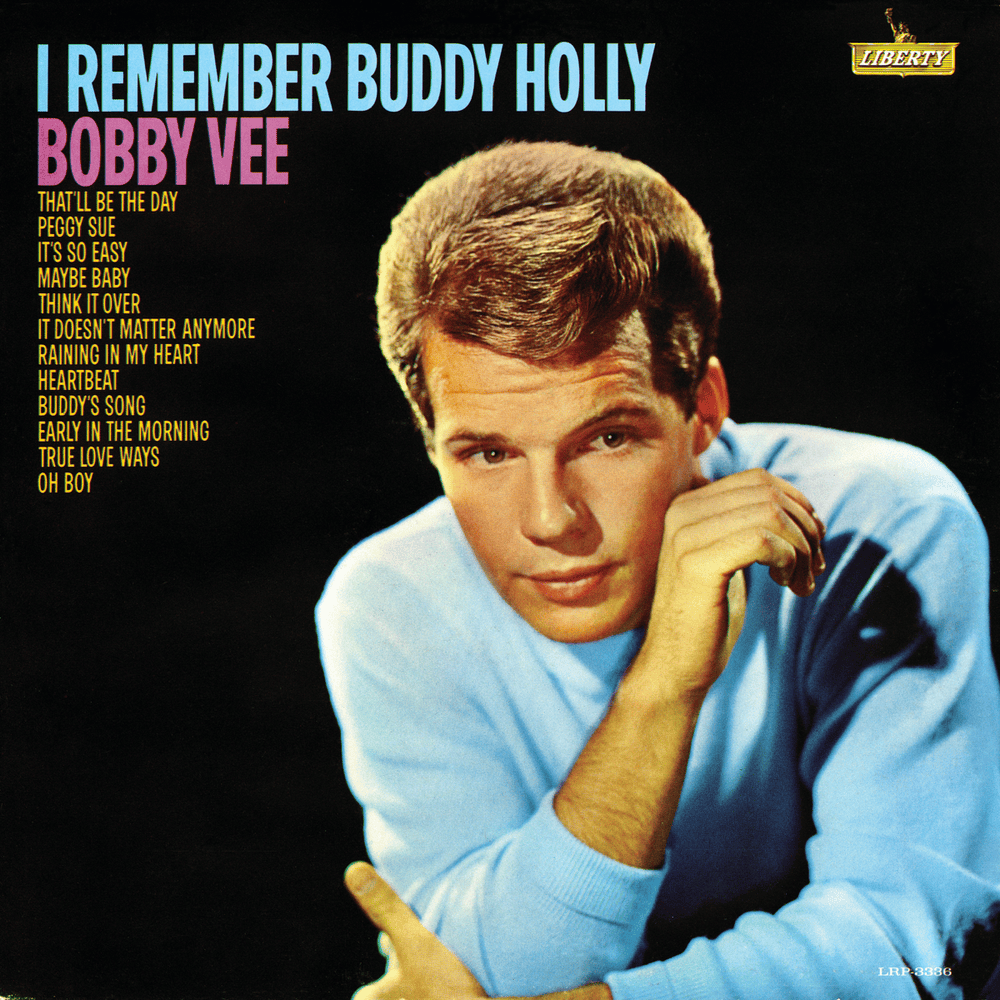
Bobby Vee's "That'll Be The Day" isn't just another saccharine love song from the late 1950s; it's a primal scream disguised in a Buddy Holly-esque melody. The surface sweetness, all "turtle dovin'" and "hugs and kisses," barely conceals a desperate, almost terrifying codependency. The lyrics aren't about love as much as they are about the speaker's fear of abandonment, a fear so profound it equates romantic rejection with death itself. This equation isn't poetic hyperbole; it's the raw, unfiltered terror of someone whose sense of self is entirely contingent on external validation. The casual listener might hear a catchy tune; a more attuned ear picks up the faint but unmistakable tremor of existential dread.
The chorus, with its repeated assertion that "that'll be the day when I die," is the crux of the song's unsettling power. It's not a promise or a threat, but a fragile confession. The speaker isn't trying to manipulate their lover with guilt; they genuinely believe their existence hinges on the relationship's survival. This level of emotional dependence points to a deep-seated insecurity, perhaps rooted in early childhood experiences of inconsistent attachment or conditional love. The very idea of separation triggers a catastrophic collapse of the ego, a symbolic death foreshadowed by the lover's hypothetical goodbye.
Even the seemingly innocuous lines about Cupid's dart hint at a lack of agency. Love isn't a choice, but a fateful strike predetermined by external forces. This passive acceptance of fate further underscores the speaker's vulnerability and lack of control. "That'll Be The Day" becomes, in this light, a chilling portrait of a love affair built on the quicksand of insecurity. It's a stark reminder of how easily affection can morph into a cage, trapping both the giver and the receiver in a cycle of desperate need and suffocating co-dependence.
 View Artist