Song Meaning
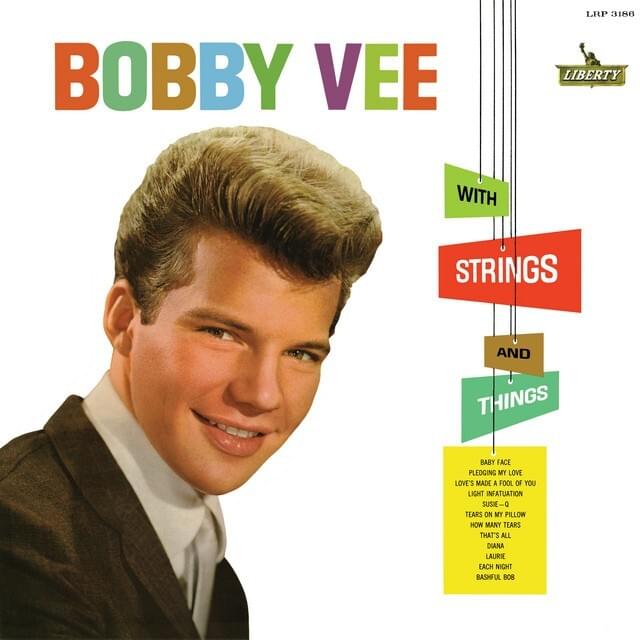
Bobby Vee's rendition of "Tears On My Pillow" doesn't just rehash heartbreak; it distills the torment of lingering attachment. The opening lines, "You don't remember me, but I remember you," immediately establish a power imbalance, a chasm of emotional disparity where one person is haunted while the other remains oblivious. It’s a particularly brutal form of rejection, the kind that festers precisely because it’s not acknowledged. The repeated phrase "Tears on my pillow, pain in my heart, caused by you" isn't merely a description of sadness, but an active accusation, a raw assertion of causality. The singer isn't simply grieving; he's laying blame, pinpointing the source of his suffering with unwavering precision. The pillow, an intimate object, becomes a silent witness to his private anguish.
The lyrics reveal a disturbing paradox at the core of the song's meaning: a simultaneous desire for reconciliation and a recognition of its potential futility. The lines "If we could start anew, I wouldn't hesitate / I'd gladly take you back, and tempt the hand of fate" expose a willingness to risk further pain, a desperate gamble driven by the hope of recapturing lost affection. This isn't just about romantic love; it’s about the psychological allure of familiarity, the magnetic pull of the known, even if that known is synonymous with suffering. The song underscores how the human mind often clings to the familiar, even when it's detrimental, because the alternative – the unknown – can be even more terrifying.
However, Vee injects a note of caution, a kernel of wisdom amidst the yearning, with the line "Love is not a gadget, love is not a toy." This brief interlude suggests a realization that love, true love, cannot be manipulated or treated casually. It's a stark contrast to the speaker's willingness to "tempt the hand of fate," implying an awareness that genuine connection requires more than just wishful thinking. This subtle injection of maturity elevates the song from a simple lament to a nuanced exploration of the complexities of love, loss, and the difficult process of emotional recovery. It's the sound of someone teetering on the edge of acceptance, still clinging to hope but beginning to grasp the necessity of letting go.
 View Artist