Song Meaning
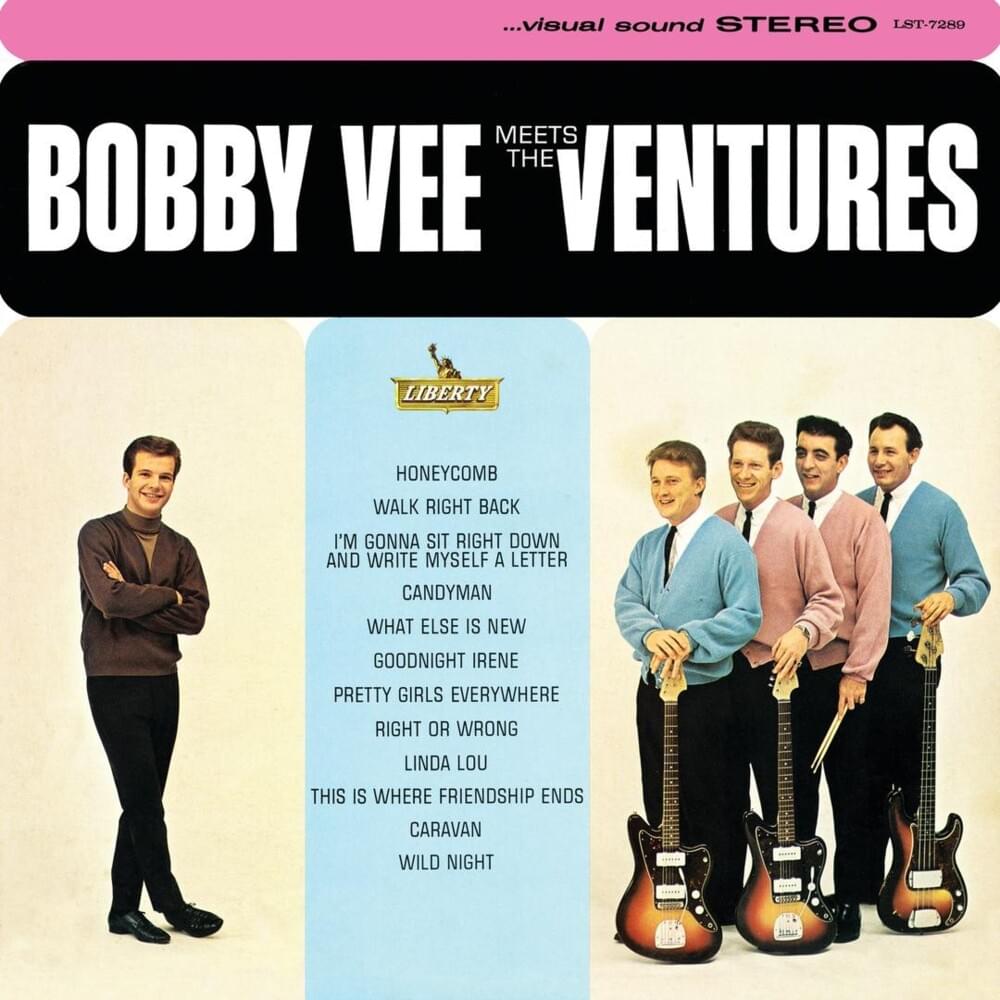
Bobby Vee's "Pretty Girls Everywhere" is a deceptively simple slice of early 60s pop, a sugar-spun ode to, well, pretty girls everywhere. But beyond the obvious, the song hints at a deeper, perhaps unintentional, commentary on the male gaze and the ubiquity of idealized beauty in the burgeoning consumer culture of the time. The lyrics aren't exactly Shakespeare, but their repetitive simplicity is the point. Vee isn't offering profound insights; he's reflecting a surface-level appreciation, bordering on obsession, with physical attractiveness. The constant refrain of "pretty girls, pretty girls, everywhere" becomes almost hypnotic, suggesting a world saturated with images of feminine beauty. The song is a sonic embodiment of the 'male gaze' theory, pre-dating Laura Mulvey’s formalization by over a decade, wherein women are presented as objects of visual pleasure.
The song’s cultural context is crucial. Released at a time when advertising and media were increasingly focused on projecting idealized images of women, Vee's track inadvertently captures this shift. The lyrics’ assertion that “everywhere I go, I see a pretty girl there" speaks not just to an abundance of attractive women, but also to the pervasive nature of beauty standards. Whether at a show or a rodeo, the singer's attention is drawn to, perhaps even consumed by, these figures, highlighting how societal expectations can shape perception. It’s a testament to the power of media and cultural conditioning in shaping our desires and expectations.
Ultimately, the meaning of "Pretty Girls Everywhere" lies in its uncritical celebration of conventional beauty. While not malicious, the song operates within a framework that prioritizes physical appearance, potentially reinforcing unrealistic expectations and objectifying women. Vee's innocent delivery belies a more complex subtext about the construction of desire and the overwhelming presence of idealized images in everyday life. It's a catchy tune, no doubt, but also a revealing snapshot of a culture grappling with its own evolving standards of beauty and the power of visual representation.
 View Artist